


Charlotte Wright
Postdoctoral Fellow
I am an evolutionary biologist interested in utilising genomic data to better understand the evolution of genomes across biodiversity. Currently, my work leverages large scale genomic datasets to investigate genome evolution across all butterflies and moths.
Charting chromosome evolution across Lepidoptera
The butterflies and moths, together known as Lepidoptera, are a megadiverse order of insects accounting for 10% of all described species. They are an extremely ecologically diverse and economically important branch of the tree of life. Importantly, they also display the greatest range in chromosome number of any group of eukaryotic species. However, this dramatic variation is limited to a relatively small number of species with many having a stable number of chromosomes. Drawing upon the hundreds of high-quality chromosomal genomes produced by the Project Psyche and the Darwin Tree of Life project, I have been exploring stasis and change across this insect order to deepen our understanding of the constraints on chromosome evolution and the mechanisms by which species are released from these norms.
Project Psyche: Driving advances in our understanding of how Lepidoptera evolved
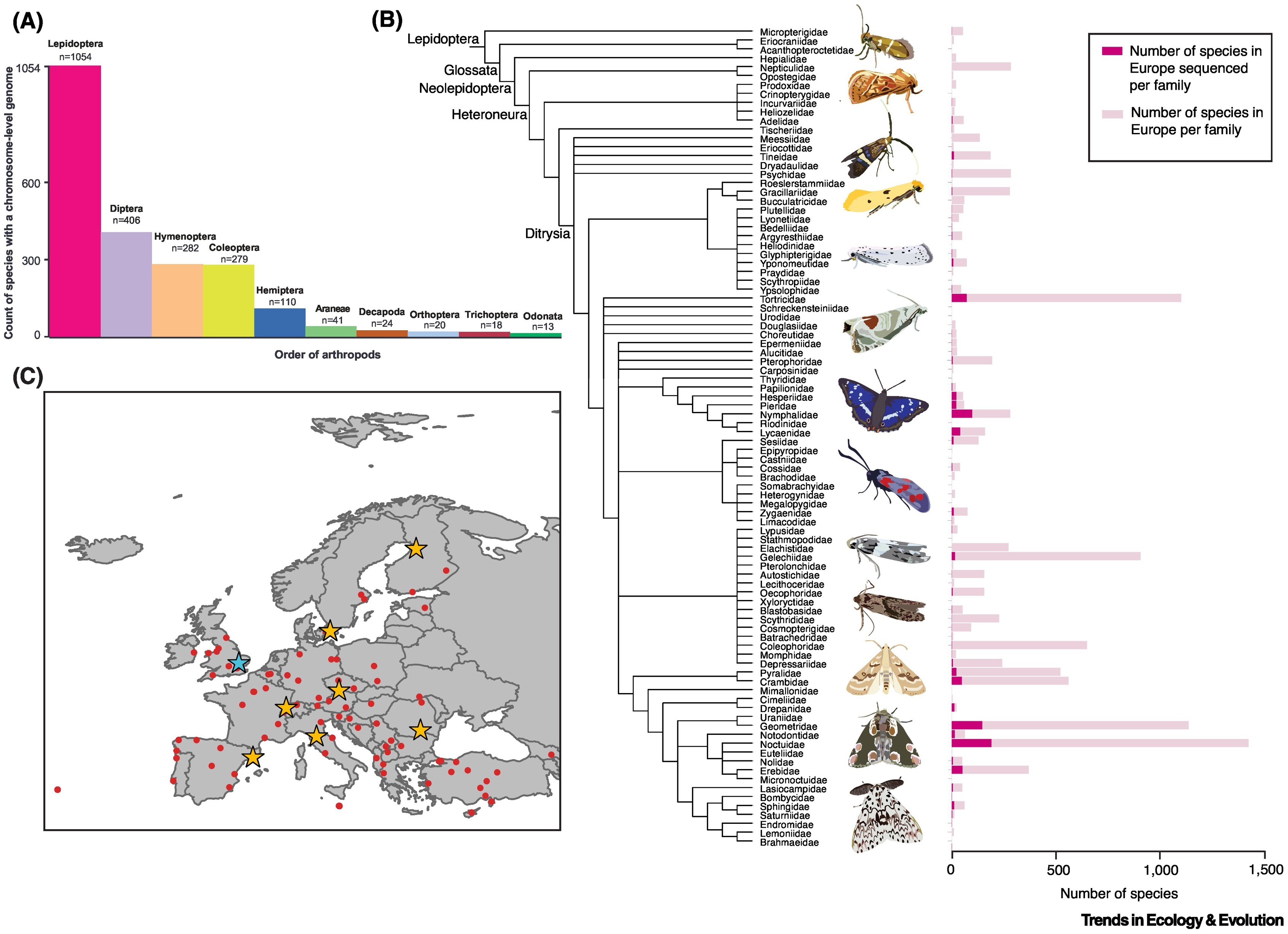
Genome sequences record the evolutionary history of animals, providing a wealth of information on how they develop, adapt and respond to change. Project Psyche aims to generate chromosome-level genomes for all 11,000 species of butterfly and moths that are found in Europe. This exciting project is led by myself, Joana Meier and Mark Blaxter and involves over 200 researchers, spanning 140 institutes, universities and government agencies in 45 different European countries. It is a highly collaborative effort that brings together biologists, taxonomists and analysts across the continent to deliver and explore these genomes, enabling insights into diverse aspects of lepidopteran biology and informing conservation efforts.
I also work with other large biodiversity genomics projects including the Darwin Tree of Life project and the Earth Biogenome Project. As part of this, I represent Project Psyche on the Earth Biogenome Project’s Membership Council. Recently, we celebrated generating genomes for a 1,000 species of butterflies and moths. You can find out more about how we established Project Psyche and our vision for this project to drive discoveries across evolutionary biology through our paper recently published in Trends in Ecology and Evolution.
Building genomics capacity across Europe
Our Project Psyche community is support by a European Cooperation in Science and Technology grant (Lep10K genomes). As part of this, I lead the working group on generating genomic data as well as developing and leveraging best practices to make scientific discoveries. By organising training workshops and meetings to drive effective collaboration, this working group strives to:
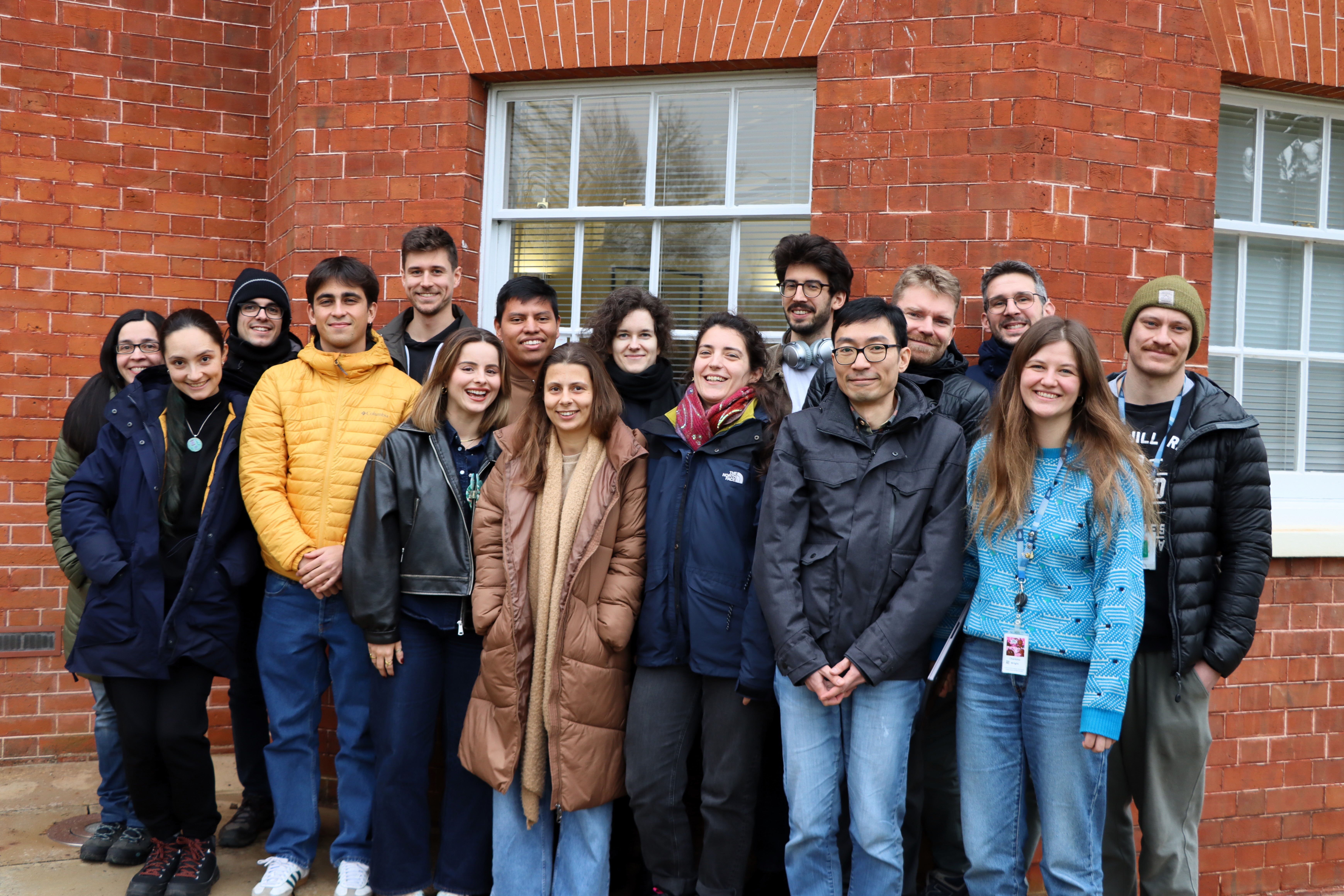 Promote knowledge sharing between research centres and early-career researchers through training opportunities, researcher exchanges and presentation forums.
- Generate shared, standardised genomic resources to be made available to the research community, following the FAIR principles for scientific data, to enable collaborative evolutionary studies.
- Collaborative comparative analysis of the 10,000 lepidopteran reference genomes.
- Facilitate equitable access to genomic resources through the availability of computational resources and toolkits that facilitate the use of the genomes without extensive bioinformatics experience.
LepEU: Population genomics of butterflies across Europe
I am a UK collection coordinator for LepEU, a large population genomics initative led by Chris Wheat (University of Stockholm, Sweden), Mathieu Joron (University of Montpellier, France) and Patricia Beldade (University of Lisbon, Portugal). LepEU aims to generate and analyse population genomics data that cover the breadth of Europe for many species of butterflies and moths. This will reveal the genetic diversity of each species across Europe, assess genetic signatures of recent changes of population size or structure and identify regions where gene flow is occurring. This project is also supported by the Lep10k COST Action and is closely tied to Project Psyche, which contributes the reference genomes for LepEU.
Raising awareness of the value of butterfly genomics
I enjoy sharing scientific discoveries from my research and that of my colleagues, and demonstrating how genomics can tackle challenges including conserving biodiversity.
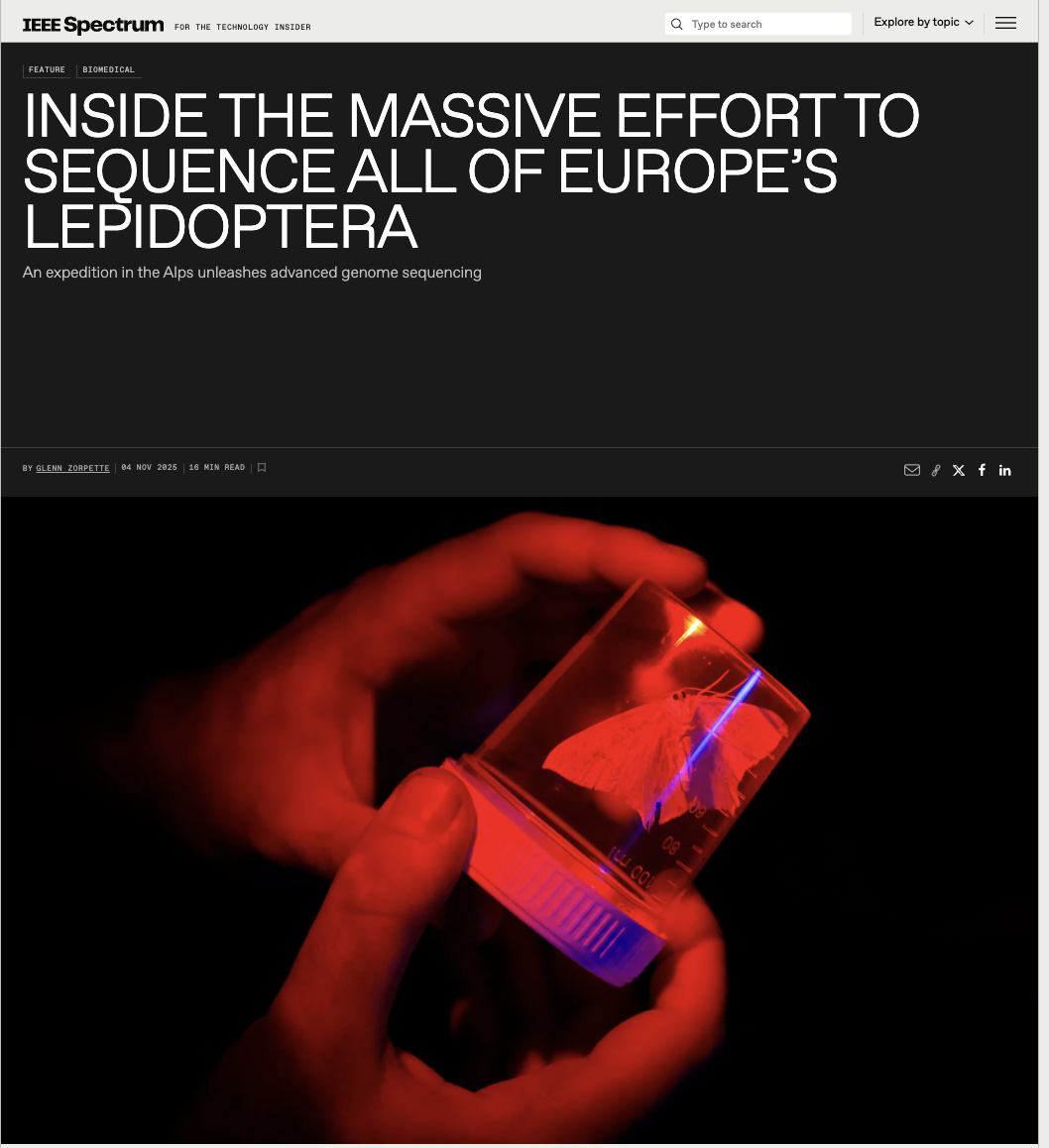
- Read a featured article in IEEE Spectrum Magazine on how Project Psyche achieved its first milestone of 1,000 sequenced species here.
- Read an interview with Al Jazeera News about the discovery of a butterfly with the highest number of chromsomes of all animals here and in The Observer here.
- Read an interview with The Guardian on how butterflies and moths have retained the same set of chromosomes for millions of years here
- Read about how genomics is transforming science through a featured article in The New Yorker here.
I am always glad to hear from and work together with media outlets that are interested in covering the latest in moths, butterflies, evolution and genomics.

My timeline
Postdoctoral researcher at Wellcome Sanger Institute and Charles & Katherine Darwin Research Fellow, Darwin College, University of Cambridge
PhD Student at Wellcome Sanger Institute
MPhil Zoology, University of Cambridge
Member of the Insect Evolution and Genomics Group
BA Natural Sciences, University of Cambridge
Research Assistant in the Walker lab, MRC Laboratory of Molecular Biology
Research Assistant in the Cook lab, Babraham Institute