


DERMATLAS (IRAS 304621)
Skin cancer is the most common type of tumour in Europe, and many rare skin tumour subtypes have poor prognoses. Although surgical treatment is often effective, it can be disfiguring and associated with significant morbidity. Accurate classification of skin tumours, particularly distinguishing benign from malignant lesions, remains challenging, and the genomic basis of many skin malignancies is poorly understood.
We will generate a comprehensive genomic atlas of 70 rare skin tumour subtypes by analysing approximately 50 cases per tumour type from patients of any age or sex and from a range of body sites worldwide. Using genome sequencing and molecular profiling, we will characterise single nucleotide variants, copy number alterations, genome-wide methylation patterns and gene expression profiles, and investigate mutational signatures associated with chemical exposures and viral infections. Anonymous pre-collected tumour samples will be provided by an international network of pathologists and dermatologists, with genomic analyses conducted at the Wellcome Sanger Institute. This work will provide the largest and most diverse genomic resource for skin tumours, improving understanding of tumour development and supporting advances in diagnosis, treatment and prevention.
Rationale
Skin cancer is Europe’s most common tumour type and encompasses a highly diverse group of malignancies arising from multiple skin cell types, resulting in a wide range of clinical presentations. Although many skin cancers can be treated surgically, surgery is often disfiguring and associated with significant morbidity, while some tumour types have a very poor prognosis and limited treatment options. Diagnosis can be challenging, particularly when distinguishing benign from malignant lesions, and the genomic basis of most skin malignancies remains poorly understood. To address this gap, the Wellcome Sanger Institute and an international consortium of dermatopathologists will analyse DNA and RNA from formalin-fixed paraffin-embedded tissues representing up to 70 World Health Organization-defined skin tumour subtypes, with approximately 50 cases per subtype. The study will generate a comprehensive genomic atlas of skin tumours, characterising genetic alterations, mutational signatures, germline predisposition alleles and viral associations, with the aim of improving understanding of tumour biology and supporting the development of targeted therapies, molecular diagnostics, patient stratification approaches and future screening and public health strategies.
Aims
The study aims to:
- explore the fundamental biology of 70 key skin tumours subtypes to aid in our understanding of these diseases and
to guide the precision of patient diagnosis and management.
Primary Outcome
To explore the fundamental biology of skin tumours to aid in our understanding of these diseases and to guide the
precision of patient diagnosis and management.
Key Secondary outcome(s)
None
Study Type
Observational
Participant and Sample Information
Populations involved:
Individuals with skin cancer
Countries of recruitment:
International
Approximate participant or sample numbers (if applicable):
3500
Key inclusion criteria:
- Pre-collected samples from patients with a diagnosis of skin cancer included on the list of tumour types selected for sequencing.
- Samples collected from living patients only.
- Samples provided anonymously to the research team.
- Samples accompanied by associated clinical data, including tumour type, tumour location, and patient age/gender.
Key exclusion criteria:
- Samples from skin cancer diagnoses not included on the list of tumour types selected for sequencing.
- Samples collected post-mortem (from deceased patients).
- Samples that are not anonymous to the research team (e.g. identifiable or only pseudonymised where anonymisation is required).
- Samples lacking associated clinical data, including tumour type, tumour location, or patient age/gender.
Recruitment status:
Non-recruiting: Pre-collected samples only.
Governance and Ethical Approval
Governance and oversight:
Study Sponsor: Wellcome Sanger Institute
All work conducted at the Wellcome Sanger Institute is reviewed and overseen by institutional Research Governance processes, ensuring compliance with ethical, legal, and regulatory requirements.
Ethical approval:
This study has been reviewed by the London – Surrey Borders NHS Research Ethics Committee. The study received REC approval on 8 September 2021.
IRAS 304621
REC reference: 21/PR/1204
Data and Sample Use
Data sharing:
Anonymised DNA sequence data are stored in the European Genome-Phenome Archive (EGA) and made available to bonafide researchers via managed access, subject to data access agreements. Anonymised samples and cultured cells may also be shared with other legitimate research organisations under appropriate legal agreements.
IPD sharing statement
Deidentified individual participant-level data (IPD) will not be shared as part of this study.
Completion date
Ongoing
Further Information
For enquiries about the scientific aims of this study or potential collaboration, please contact the relevant scientific programme at https://www.sanger.ac.uk/group/adams-group/.
For enquiries relating to research governance, ethics, or regulatory oversight, please contact the Research Governance team at researchgovernance@sanger.ac.uk.
Sanger people
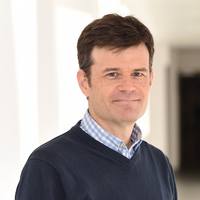
Dr David Adams
Head of the Somatic Genomics Programme and Senior Group Leader

Louise van der Weyden
Senior Staff Scientist