

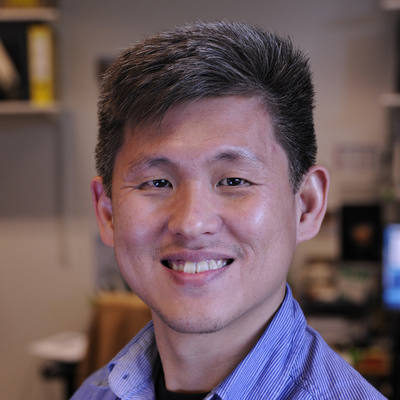
Alumni
This person is a member of Sanger Institute Alumni.
During my 12+ years at the Wellcome Sanger Institute, I have progressed through several key initiatives:
• Multiplex Assays of Variant Effects (MAVE) Operations: I was on secondment with the MAVE Informatics team that develops and provides bioinformatic capability to support the MAVE initiative in a multi-disciplinary and Agile environment.
• Cancer Genomics (CASM): I developed and maintained swPipe, a high-depth variant-calling pipeline for targeted and exome DNA sequencing, while leading RNA-seq and CRISPR/Cas9 functional screen analyses to support over 10 wet-bench scientists.
• Stem Cell Genetics: I designed genome-wide CRISPR knockout pooled gRNA libraries, establishing novel efficacy metrics that enabled the interrogation of non-standard targets across diverse species and cell lines.
• Virus Genomics: I contributed to the engineering of large-scale de novo genome assembly pipelines that processed over 20,000 HIV-1 datasets for major international collaborations including BEEHIVE, ICONIC, and PANGEA.
Beyond bioinformatics, I am a Certified Scrum Master and Product Owner, experienced in applying Agile methodologies to scientific research to ensure reproducibility and efficiency. I am particularly passionate about the intersection of genomics and AI, currently prototyping local LLM integrations and Retrieval Augmented Generation (RAG) to streamline literature synthesis and genomic data analysis. I remain driven by research that translates directly into improved diagnostics and therapeutics.
My timeline
Left the Wellcome Sanger Institute.
Joined the Wellcome Trust Sanger Institute.
Joined the Genome Institute of Singapore as Postdoctoral Fellow.
Graduated with a Ph.D. from the Department of Public Health and Epidemiology, Swiss Tropical Institute, University of Basel, Switzerland.
Joined the Dengue Unit of the Novartis Institute for Tropical Diseases in Singapore as a Graduate Research Associate/Ph.D. candidate.
Joined the Genome Institute of Singapore as Bioinformatics Specialist.
Graduated with an M.Sc. in Bioinformatics from the Faculty of Medicine, National University of Singapore.
Joined the A*STAR Bioinformatics Institute as Graduate Research Associate/M.Sc. candidate.
Graduated with a B.Sc. in Cell and Molecular Biology from the Department of Biochemistry, Faculty of Life Sciences, National University of Malaysia.