

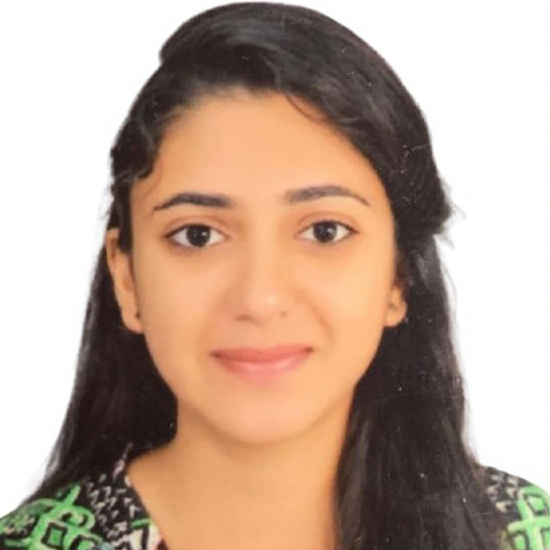
Alumni
This person is a member of Sanger Institute Alumni.
Research Approach & Interests
My approach to research is driven by curiosity about disease biology and a desire to understand the molecular mechanisms underlying complex biological processes. I am particularly interested in how genetic and environmental perturbations influence cellular behaviour, disease progression and therapeutic response. Through my experience in functional genomics, translational oncology and drug discovery, I have developed an appreciation for combining well-designed experiments, quantitative analysis and critical interpretation to address biological questions.
I particularly enjoy investigating how and why cells respond to different stimuli, identifying molecular changes associated with disease phenotypes, and understanding how these findings can inform the discovery and validation of therapeutic targets. Whether working with patient-derived organoid models, CRISPR-based screening approaches or molecular and cellular assays, I value the process of translating experimental observations into biologically meaningful conclusions. I am equally interested in the practical challenges of research, including assay development, experimental optimisation, data quality and reproducibility.
I value a rigorous, evidence-based and collaborative approach to scientific research. I enjoy troubleshooting experimental challenges, analysing complex datasets and discussing findings with colleagues to develop alternative interpretations and new approaches. I believe that good research depends not only on technical expertise but also on asking the right questions, recognising limitations and remaining open to unexpected results.
What I find most rewarding is the opportunity to investigate questions that are not yet fully understood and contribute to a broader understanding of disease biology. I am particularly motivated by research that bridges fundamental biological mechanisms with potential therapeutic applications, where experimental findings can contribute to better target selection, drug development and ultimately improved understanding of human disease.
Looking ahead, I hope to continue expanding my expertise in functional genomics, advanced disease modelling and translational research. I want to take on increasingly challenging scientific questions, develop new experimental and analytical approaches, and contribute to collaborative research programmes that generate robust, reproducible and meaningful findings.