Sanger scientist awarded the 2027 Mary Lyon Medal for pioneering research into human genetic variation and genome evolution
Raheleh and her team explore how genetic changes arise and accumulate throughout human life, how they are shaped by natural selection, and how these processes influence genetic conditions, cancer and ageing.
A central focus of her work is understanding how these processes differ between germline cells, which include sperm and egg cells, and the cells that make up the tissues of our bodies, known as somatic cells. By studying genetic changes and their impact across these different cell populations, her research seeks to uncover the fundamental principles that shape genome evolution both within individuals and across generations.
Raheleh has made important contributions to understanding the origins of new genetic changes in humans. Her work helped reveal how genetic changes arising at different stages of human development contribute to variation between generations, providing insights into the origins of genetic conditions.
More recently, Raheleh and her team have advanced the direct study of genetic changes in human sperm using highly accurate DNA sequencing. Their research revealed that certain harmful genetic variations become more common in sperm as men age because some are actively favoured during sperm production. These genetic variations are associated with an increased risk of genetic conditions, including developmental disorders and cancer. This work provides new insights into the evolutionary processes shaping the male germline and has important implications for understanding the origins of genetic disorders and reproductive risk.
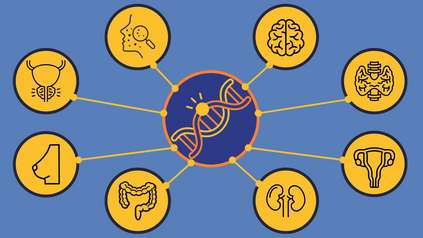
Raheleh also investigates how somatic mutations accumulate and undergo selection in normal human tissues. In a large study, she and colleagues revealed striking differences in the rates and patterns of genetic changes across human tissues. Understanding why these genetic changes accumulate and behave differently across cell types could help find new ways to approach genetic conditions.
“I am delighted and honoured to receive the Mary Lyon Medal. My research has always been driven by curiosity about how genetic variation arises, how it shapes the evolution of our cells, and what this means for human health and disease.
I also want to recognise the wonderful people I have had the privilege of working with over the years, particularly my team and collaborators. I am equally grateful to the individuals and families who have generously donated samples to our studies. Their contributions are essential to our research and make it possible for us to investigate questions that would otherwise be difficult to address. By understanding how mutations arise, accumulate and are passed between generations, as well as how they shape the evolution of cells within our bodies, we hope to gain new insights into the origins of genetic disorders and cancer. Ultimately, this knowledge could help improve how we understand disease risk and inform future approaches to prevention, diagnosis and care.
I feel very fortunate to work with such talented scientists and to be part of Sanger, where we have the opportunity to pursue ambitious questions and develop new approaches to address them. There is still so much we do not understand about how our genomes evolve, and I am excited about the questions we can tackle next.”
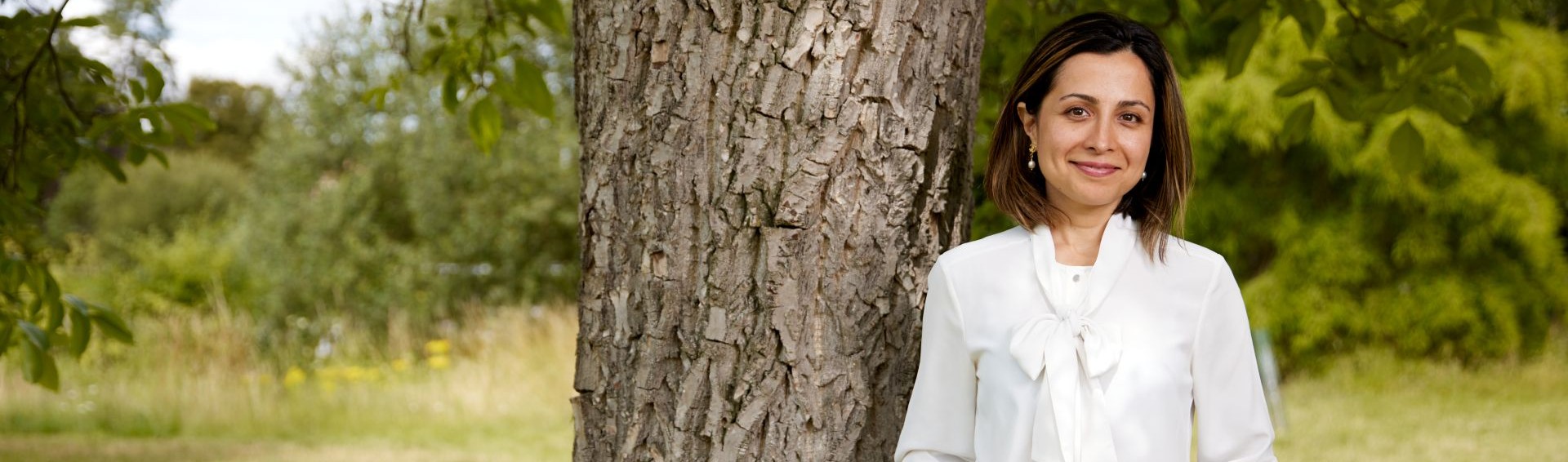
Dr Raheleh Rahbari, Group Leader at the Wellcome Sanger Institute
Raheleh will attend an upcoming Genetics Society scientific meeting to celebrate receiving the Mary Lyon Medal, named in honour of distinguished geneticist Mary Lyon FRS.