

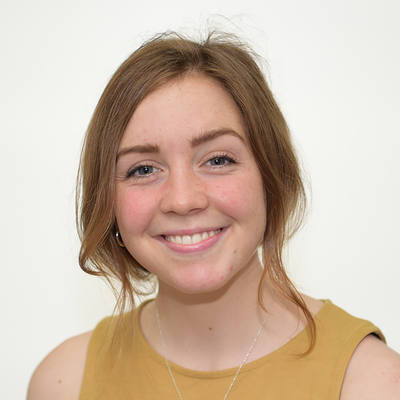
Alumni
This person is a member of Sanger Institute Alumni.
Genome-wide association studies have revealed thousands of variants linked to immune-mediated diseases, yet understanding how these variants function remains crucial for uncovering disease mechanisms and informing new therapeutic strategies. Many immune-disease-associated variants fall within enhancers and promoters that are activated during CD4⁺ T-cell stimulation, a process that drives proliferation and clonal expansion.
During my PhD, I used single-cell multi-omic technologies to characterise the heterogeneity of primary human CD4⁺ T cells as they activate and divide. My work mapped the transcriptomic and regulatory programmes that shape T-cell responses, with the broader aim of resolving the mechanisms through which genetic variation influences immune function. I began my PhD in the wet lab generating CITE-seq data with 10x Genomics, and later moved into computational analysis, integrating single-cell transcriptomic and proteomic profiling to study T-cell biology at high resolution.
Alongside my research, I am passionate about the role of art in science and have worked as a Scientific Illustrator during my time at Sanger, combining creativity with data visualisation and science communication.
My timeline
Research Associate (Bridging Post-Doc) in the Trynka Laboratory (Wellcome Sanger Institute)
PhD in the Trynka Laboratory (Wellcome Sanger Institute)
BBSRC iCASE PhD Studentship (University of Cambridge/ GlaxoSmithKline)
Industrial Placement Student (GlaxoSmithKline, Stevenage)
BSc Hons Biomedical Sciences (University of Bath)