Uncovering the hidden bacteria often mistaken for cholera
This international collaboration, including scientists at the Wellcome Sanger Institute, icddr,b (International Centre for Diarrhoeal Disease Research, Bangladesh), and the Post Graduate Institute of Medical Education & Research (PGIMER), India, sequenced nearly 1,000 Aeromonas bacterial genomes from Bangladesh and India. They revealed these bacteria are a source of environmental antimicrobial resistance that could transfer to other disease-causing bacteria, including resistance to last resort antibiotics.
The study, published earlier this year in Nature Communications, found that there is no clear difference between the Aeromonas bacterial strains found in the clinic infecting humans and those found in the environment. This suggests that all circulating strains have the ability to cause disease in humans by spilling over from well-known reservoirs such as farmed fish species, including trout and catfish.
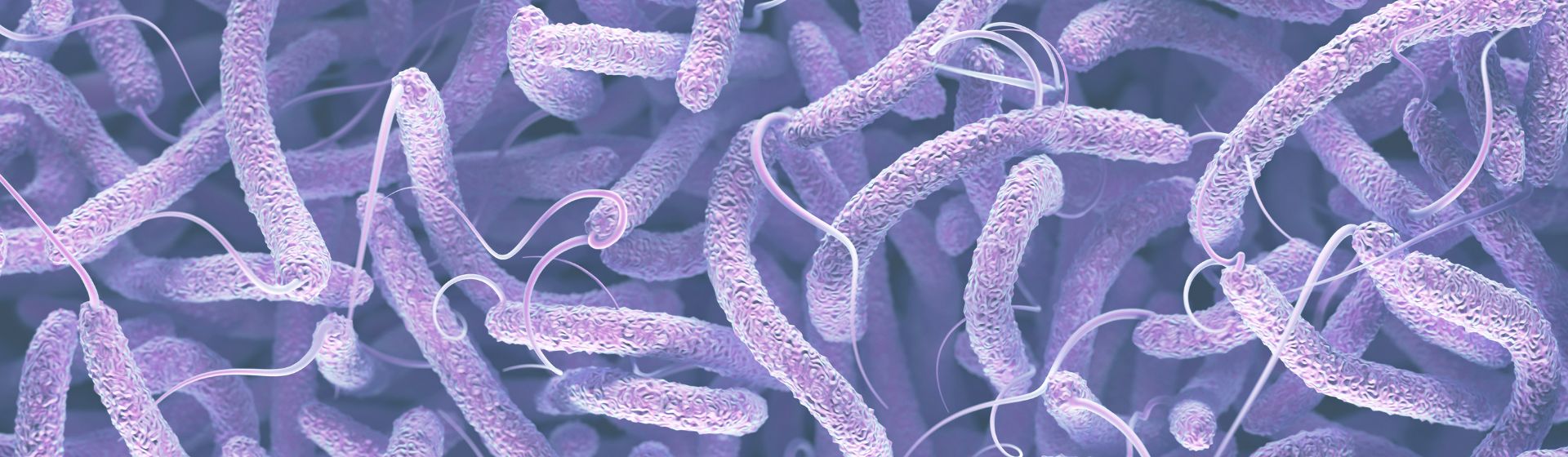
Creating the first genomic blueprint for Aeromonas could help develop a rapid test for use in the clinic to help ensure that infections are identified correctly. Currently, Aeromonas infections are often misidentified as cholera due to the similarities in symptoms and can look alike on the current tests. However, treatment differs between the two: cholera is usually managed with oral rehydration solutions, while Aeromonas infections may require antibiotics.
Therefore, being able to identify which approach is needed is crucial. Additionally, some strains of Aeromonas bacteria are resistant to multiple types of antibiotics, impacting which treatments will be effective. Misidentification also impacts public health efforts to control and minimise cholera outbreaks.
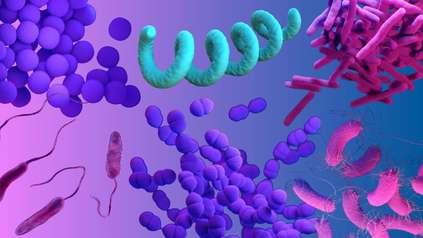
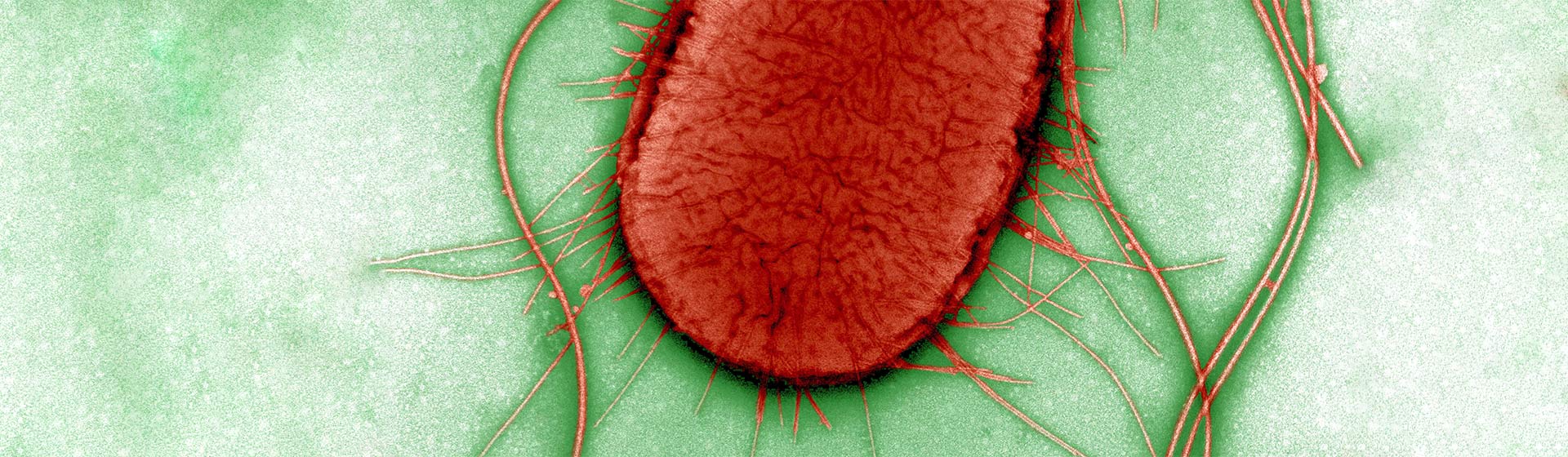
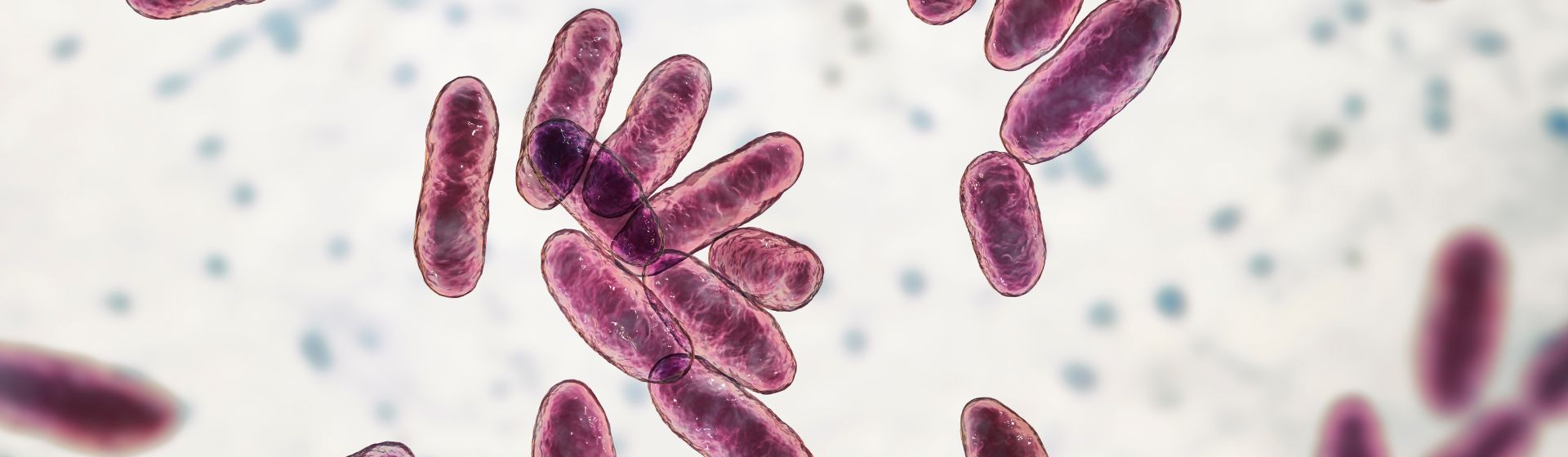
Aeromonas are a group of bacteria consisting of over 30 different species, several of which are known to cause disease in humans and aquatic animals, such as fish. In humans, these bacteria are capable of causing diarrheal disease outbreaks and can cause sepsis in certain populations, such as those with underlying health conditions. The bacteria can be found in water and food, and are common in children under five years old in countries such as Bangladesh and India.
In fish, Aeromonas infection can cause high mortality, causing significant economic impact to aquaculture when an outbreak happens in fish farming. Additionally, infections in fish can jump to humans through contact with infected animals or water, especially via open wounds.
To gain a full picture of the Aeromonas species circulating in South Asia, this team analysed 1,853 bacterial genomes, including 996 newly sequenced genomes from Bangladesh and India. They identified 28 different species, and most of these had genes that enable resistance to at least one type of antibiotic. They found resistance to both front-line and last-line antibiotics.
This widespread presence of antibiotic resistance genes in Aeromonas acts as an environmental reservoir of drug resistance, meaning it can spread between these bacteria, but also other types of human-infecting pathogens.
They also highlighted common misidentification of Aeromonas infections as Vibrio cholerae — the bacterium that causes cholera — in regions where both bacteria co-exist. Correctly separating the cause of diarrheal disease and being able to confirm which antibiotics are no longer effective against certain strains could help provide more effective treatment and public health interventions.
The genomic analysis also revealed notable regional differences within South Asia. While Aeromonas bacteria were widespread in both Bangladesh and India, the dominant species varied between the two countries.
In Bangladesh, Aeromonas caviae (A. caviae) was the most frequently identified species, whereas environmental samples from India were dominated by Aeromonas veronii (A. veronii). Both A. veronii and A. caviae are linked to diarrhoeal disease, with A. caviae more commonly affecting young children and older adults, while A. veronii is often associated with severe infections in people with underlying health conditions or weakened immunity.
The study also found differences in antimicrobial resistance patterns across the region. Aeromonas samples from Bangladesh carried fewer antibiotic resistance genes compared with those from neighbouring countries in the dataset.
Understanding more about how different Aeromonas species spread could also help find new ways to target the multiple strains that can cause disease in commercial fish farming centres globally.
“Our study provides the first genomic foundation for understanding these incredibly diverse bacteria, which could help develop new ways to diagnose disease in the future. By sequencing hundreds of Aeromonas genomes, we have provided a genomic “blueprint” needed for designing highly specific diagnostic test based on genetic targets that are specific to Aeromonas. Misidentification is a major diagnostic challenge, and having a simple, rapid test to identify Aeromonas could help ensure that as many people as possible get the right treatment when they need it.”
Dr Nisha Singh, co-first author at the Wellcome Sanger Institute
“Aeromonas is a significant problem in areas of the world where there is a lack of clean drinking water sources, it is an important pathogen in its own right, but when it is mistaken for the bacterium that causes Cholera it can confuse or affect our ability to track or control this important disease.”
Professor Neelam Taneja, co-senior author at the Post Graduate Institute of Medical Education & Research (PGIMER) in India
“This is a landmark study capturing the genomic footprints of, by far, the largest number of naturally occurring and pathogenic Aeromonas species in the Asian region. The most alarming findings are that many of these Aeromonas bacteria are resistant to first and last-line antibiotics, and they have the ability to cause cholera-like diarrhoea while occupying a historic cholera niche where the Vibrio cholerae is well-known for its notoriety to cause cholera, a deadly disease, for centuries. Both of these make Aeromonas an emerging threat to human health, one that is important to address.”
Dr Munirul Alam, co-senior author at icddr,b in Bangladesh
“As the world around us changes, so will the threats to human health. By understanding emerging human pathogens at a genomic level, it can help pave the way for new options to identify and possibly treat them in the future. Additionally, it has allowed us to identify Aeromonas as an environmental reservoir of antibiotic resistance, helping us to understand how effective our defences might be, and focus on finding new ways to tackle the spread of antibiotic-resistant genes.”
Professor Nick Thomson, co-senior author at the Wellcome Sanger Institute
More information
Publication:
N. Singh, R. O. Golicha, C. Thakur, et al. (2026) ‘Aeromonas in South Asia: Genomic Insights into an Environmental Pathogen and Reservoir of Antimicrobial Resistance.’ Nature Communications. DOI: 10.1038/s41467-026-68712-w
Funding:
This research includes funding from Wellcome. A full acknowledgement list can be found in the publication.