Genomics Futures workshop: Our relationship with microbial life
Chaired by Dr Claire Chewapreecha and Professor Nicholas Thomson
Overview
Aim
This workshop explored a long-term vision for delivering predictive microbiology and harnessing those capabilities to address key health challenges across the globe.
Importance
Microbes play a key role in human health, from causing disease to supporting our bodies through the microbiome. While genomic advances have greatly improved our scientific and medical understanding, many regions (especially in lower- and middle-income countries) still face high disease burdens and limited access to these benefits. Climate change is making these challenges worse.
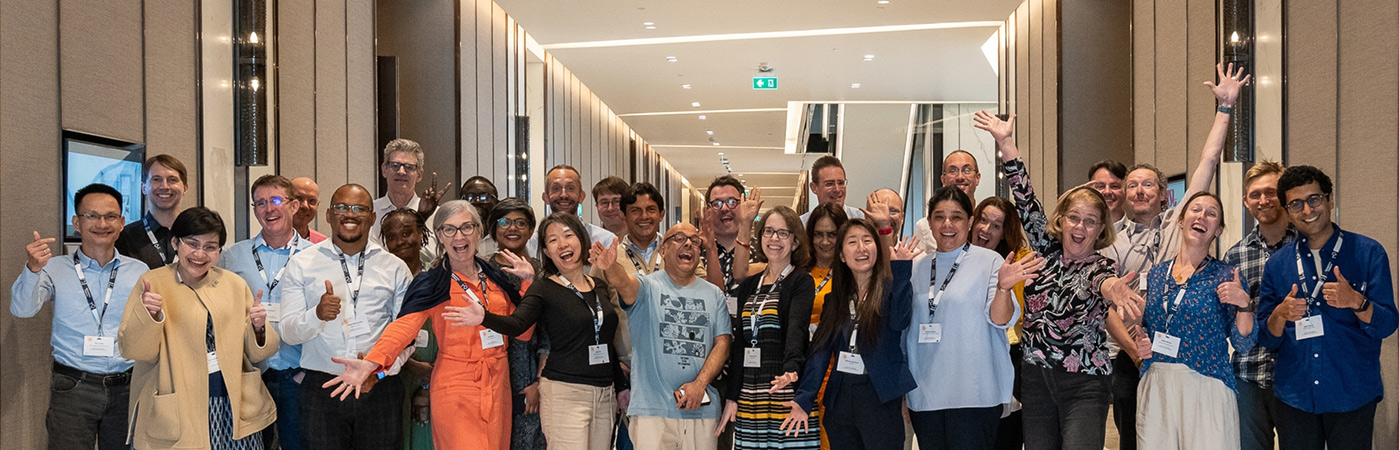
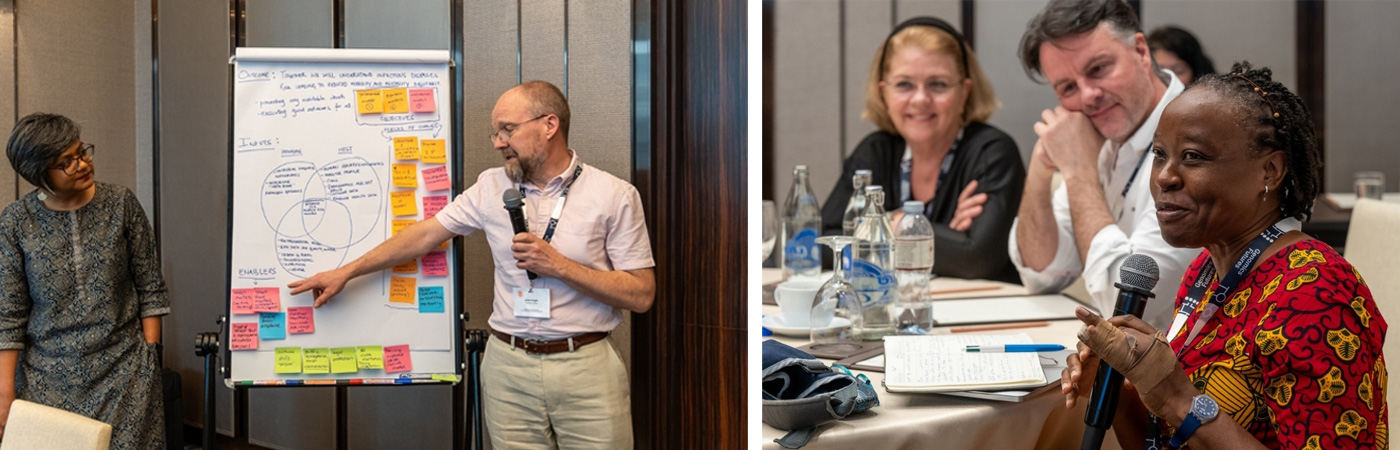
The meeting was held in Bangkok, Thailand so that the insights of scientists actively studying the effects of high levels microbial disease and the impacts of climate change in low- and middle-income countries guided the meeting’s discussions.
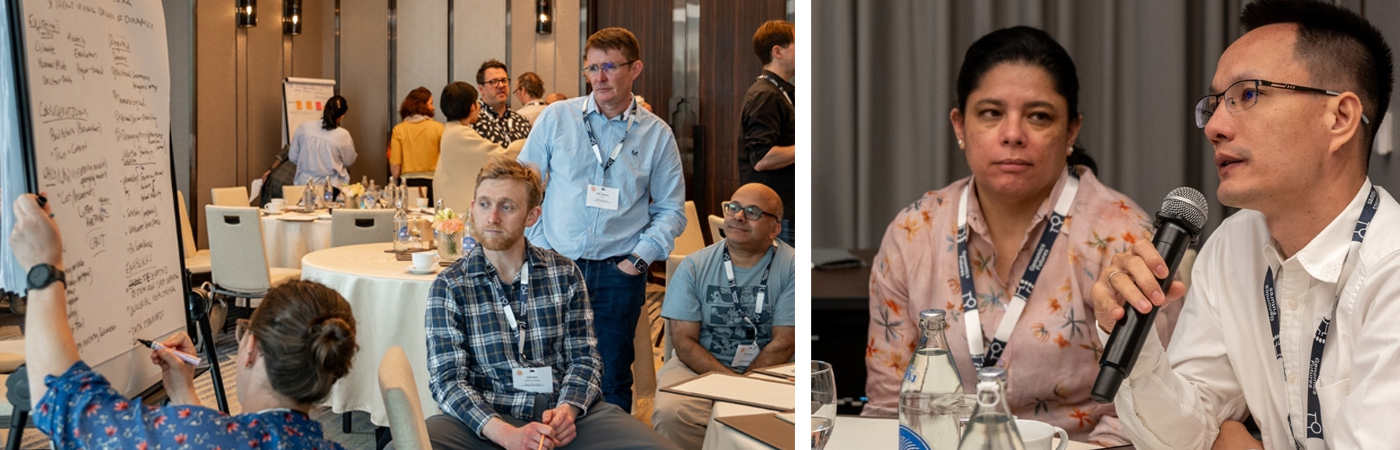
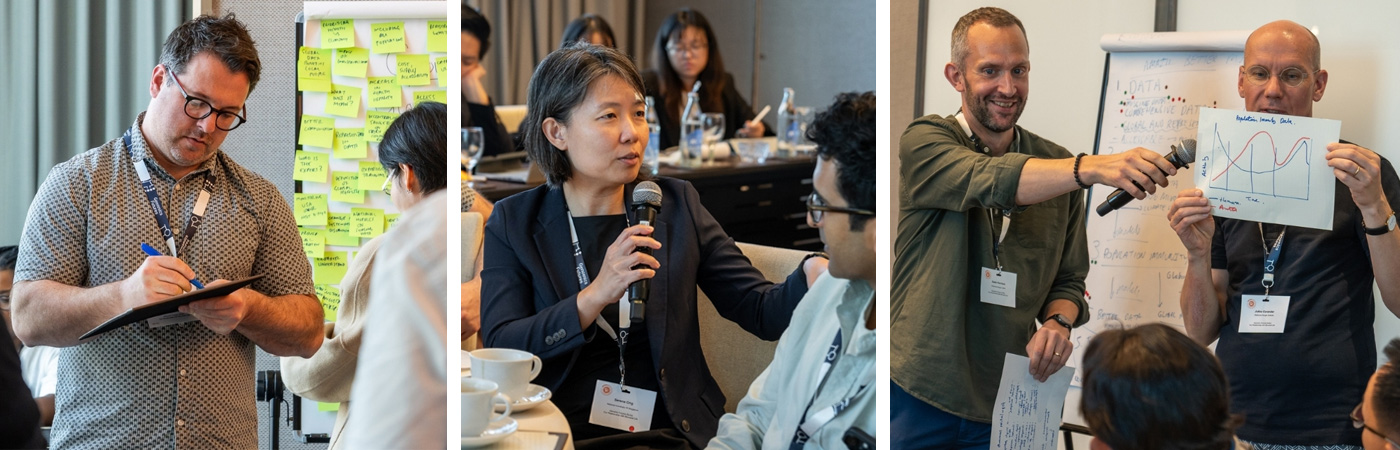 Images credit: Wellcome Sanger Institute.
Listen to our Podcast discussing this Workshop
Listen directly on this page:
Listen to “Microbial Life” on Spreaker.
The full Genomics Futures podcast series is available to listen to on Apple Podcasts, Spotify and Spreaker.
Where are we now and where are we going?
Participants explored how to move from descriptive microbiology (analysing the make up of the human microbiome and tracking the evolution of disease-causing bacteria) to predictive microbiology. By understanding of why certain people are susceptible to disease and how microbes interact with humans, each other and the environment, the aim will be to determine disease risk and use that knowledge to guide healthcare, moving toward more personalised and preventive approaches.
The meeting covered future directions in immunology, microbiome research and surveillance. In particular, it suggested approaches that would provide equity and inclusion the global research community, reframe neglected tropical diseases, and include the wide diversity of bacterial populations in different locations and environments.
Key Challenges
- Understanding how genetic information translates into real-world microbial behaviour
- Improving how global data sharing while respecting local control and ownership
- Using AI effectively to analyse large datasets in healthcare and research
- Ensuring research includes diverse populations across the globe
- Developing reliable methods to collect and preserve samples in remote or low-resource settings
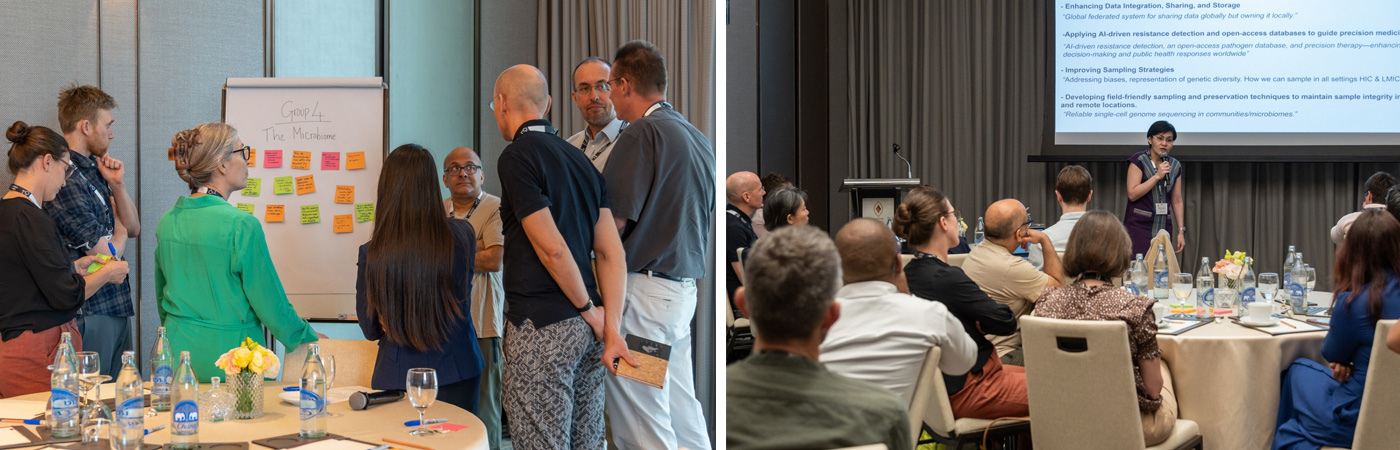
Considering the future
10-year visions
In the next 10 years, key priorities include:
- Expanding access to scientific tools, training, and data globally
- Building regional research hubs rather than concentrating resources in a few countries
- Improving collaboration between scientists, communities, and policymakers
- Collecting better, more representative data on microbes and health
- Beginning to use AI and new technologies (such as wearables) to monitor health and disease risk
Looking Beyond 2035
Looking further ahead to 2050, the vision is:
- A more equal, locally led approach to health research worldwide
- The ability to predict and prevent disease using integrated data on humans, microbes, and the environment
- Protection and restoration of beneficial microbes in people and ecosystems
- Use of advanced tools like “digital twins” (virtual models) to simulate disease spread and guide responses in real time
- A shift away from “global health” as a top-down concept toward a more inclusive, locally driven model of health
Key discussion themes
- The close relationship between the immune system and the microbiome
- Inequalities in access to science, technology, and healthcare
- The need to include underrepresented populations in research
- The importance of microbes for both human health and the environment
- The growing role of AI, data, and modelling in predicting disease
Open Questions
The workshop identified several unresolved challenges:
- How can we ensure fair access to new technologies and data worldwide?
- How do we safely and ethically study large amounts of personal and biological data?
- What is the best way to restore and protect healthy microbial ecosystems?
- How can we involve local communities in shaping research and solutions?
- How do we turn complex scientific insights into practical health improvements for everyone?
Conclusion
The workshop highlighted a future where science can predict and prevent disease, but only if it becomes more inclusive, collaborative, and globally accessible. Achieving this will require better education, fair distribution of resources, stronger international partnerships, and action now to prepare the next generation.