


Investigating the role of genetics in disease predisposition (IRAS 273194)
Mutations that accumulate in the testes and ovaries are particularly important because they can affect an individual’s health and may also be passed to their children, increasing the risk of inherited disease predisposition syndromes, including those associated with cancer. However, little is currently known about how these mutations accumulate or how frequently disease-causing mutations are present in sperm and eggs, limiting opportunities for risk assessment, prevention and treatment.
We will study healthy and cancerous testes and ovaries donated for research, together with blood or saliva samples from children with disease predisposition syndromes and/or cancer and their family members, including semen samples from fathers and questionnaire data where appropriate. Using state-of-the-art DNA sequencing, we will identify disease-causing mutations and investigate factors that influence their prevalence. This knowledge will improve understanding of inherited disease risk and may help estimate the likelihood of passing disease predisposition to future generations, particularly for families already affected by inherited cancer predisposition syndromes such as Li-Fraumeni syndrome.
Rationale
Inherited cancers play a major role in about 5 to 10 percent of all cancers. It is increasingly apparent that many inherited cancer predisposition syndromes arise through new mutations acquired (most likely in germline (sperm) of fathers). Little is known about factors that cause accumulation of mutations in father’s sperm and; due to the low sensitivity of standard genomic approaches, to date this subject has been poorly investigated.
This work aims to provide a detailed description of germline genetic changes and to understand how mutations acquired during the production sperm contribute to predisposition to cancer for future offspring. We hope to identify the factors that influence the acquisition of mutation during spermatogenesis, which are important for understanding inherited cancers. The results of this work will provide information as to the recurrence risk of cancer-predisposing
mutations in families with different genetic and environmental-exposure backgrounds.
Aims
Primary Outcome
To gain a deeper understanding of the processes underlying mutation acquisition during gametogenesis and the implications for heritability and disease predisposition.
Key Secondary outcome(s)
None
Study Type
Observational
Participant and Sample Information
Populations involved:
Families with a history of genetic predisposition syndromes.
Countries of recruitment:
UK
Approximate participant or sample numbers (if applicable):
5000
Key inclusion criteria:
- Minimum of child affected with cancer pre-disposition syndromes and their father
- Additional family members of consented father and child duos (Mother, same parent siblings, Maternal/Paternal Aunts, uncles and grandparents of affected child)
- Reproductive tissue samples from both men and women affected by cancer collected with consent for use in research.
- Reproductive tissue samples from both men and women unaffected by cancer collected with consent for use in research.
Key exclusion criteria:
- Fathers who do not wish to donate a semen sample or are unable to will be excluded from the study, as will their
families. - Fathers who have had a vasectomy will be excluded, as will their families
- Adults who do not have the capacity to consent for themselves.
- Families in which both parents do not have capacity to consent.
- Siblings must share the same two parents as the affected child.
- Male relatives in the extended family (Maternal/Paternal Aunts, uncles and grandparents of affected child) unwilling or
unable to donate both a blood or saliva sample and a semen sample. - Participants who do not have a good understanding of the English language.
Recruitment status:
Recruiting by invitation only.
Governance and Ethical Approval
Governance and oversight:
Study Sponsor: Wellcome Sanger Institute
All work conducted at the Wellcome Sanger Institute is reviewed and overseen by institutional Research Governance processes, ensuring compliance with ethical, legal, and regulatory requirements.
Ethical approval:
This study has been reviewed by the East of England – Cambridge East NHS Research Ethics Committee. The study received REC approval on 01 May 2020.
IRAS 273194
REC reference: 20/EE/0075
Data and Sample Use
Data sharing:
Anonymised DNA sequence data are stored in the European Genome-Phenome Archive (EGA) and made available to bonafide researchers via managed access, subject to data access agreements. Anonymised samples and cultured cells may also be shared with other legitimate research organisations under appropriate legal agreements.
IPD sharing statement
Deidentified individual participant-level data (IPD) will not be shared as part of this study.
Completion date
Ongoing
Further Information
For enquiries about the scientific aims of this study or potential collaboration, please contact the relevant scientific programme at https://www.sanger.ac.uk/group/rahbari-group/.
For enquiries relating to research governance, ethics, or regulatory oversight, please contact the Research Governance team at researchgovernance@sanger.ac.uk.
Sanger people
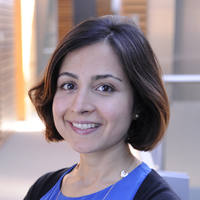
Dr Raheleh Rahbari
Group Leader
External Contributors

Dr. Mette Jorgensen
Paediatric Oncologist at Great Ormond Street Hospital
Dr Karin Straathof
Paediatric Oncologist at Great Ormond Street Hospital
Dr Emma Clement
Consultant in Clinical Genetics and Genomic Medicine at Great Ormond Street Hospital
- Dr Louise Izatt
consultant in clinical Genetics at Guy’s and St Thomas’ NHS Foundation Tr
Dr Claire Turner
Royal Devon University Healthcare NHS Foundation Trust
Dr Richard Tomlinson
Royal Devon University Healthcare NHS Foundation Trust
- Prof. Marc Tischkowitz
Medical Geneticist and Honorary Consultant in the Department of Medical Genetics at the University of Cambridge
Dr Joseph Christopher
Honorary Specialty Registrar and NIHR Academic Clinical Lecturer in Medical Genetics and Genomics
Dr Kai Ren Ong
Consultant in Clinical and Cancer Genetics at the Birmingham Women's and Children's Hospital
Professor Zofia Miedzybrodzka
Aberdeen Royal Infirmary Clinical Genetics Centre
Dr Helen Hanson
Consultant in Clinical Genetics at Royal Devon and Exeter NHS Foundation Trust
Dr Joanna Baxter
Senior Research Associate, Cambridge Stem Cell Institute
Mr Omar Al Kadhi
Urology Consultant, Norfolk and Norwich University Hospital (NNUH) NHS Trust