


Exploring the landscape of injury and repair in the human oesophagus (IRAS 293952)
Tissue injury triggers coordinated cellular responses that promote wound healing and the formation of new tissue, whereas cancer develops through unregulated tissue growth. Understanding the molecular mechanisms that govern normal oesophageal injury and repair may help explain how these processes become dysregulated and lead to cancer. Progress in this area has been limited by reliance on mouse models, which differ anatomically and physiologically from humans, and by the limited sensitivity of traditional sequencing approaches for detecting subtle changes in non-cancerous tissue.
We will recruit adult patients undergoing endoluminal vacuum therapy (EVT) for oesophageal perforations and collect discarded EVT sponges, endoscopic biopsies, surgical specimens, additional blood samples, archived tissue samples from previous related procedures, and associated clinical metadata. Samples and clinical data will be pseudonymised and transferred to the Wellcome Sanger Institute for analysis, including genome sequencing. These data will be used to define the molecular mechanisms underlying normal oesophageal wound healing and to identify how these processes can become disrupted during cancer development.
Rationale
Benign and cancerous conditions of the oesophagus continue to rise, with a significant effect on life expectancy and quality of life. Oesophageal cancer is the eighth most common cancer and the sixth most common cause of cancer death. Its prognosis remains poor with a five-year survival of 10-25%. There have been substantial efforts in decoding the sequence of genomic alterations associated with oesophageal cancer, though our understanding of the changes that define homeostasis and regeneration in this part of the body remain largely unknown.
This work aims to provide a detailed description of the genetic changes in regenerating oesophageal tissue. We will then contrast these changes with those found in cancerous and non cancerous oesophageal tissue to provide an understanding of how tissue regeneration and repair can go wrong and lead to cancer..
Aims
This study aims to gain a deeper understanding of the processes underlying tissue regeneration and repair in the oesophagus and upper gastro-intestinal tract following physical injury
Primary Outcome
To gain a deeper understanding of the processes underlying tissue regeneration and repair in the oesophagus and
upper gastro-intestinal tract following physical injury.
Study Type
Observational.
Participant and Sample Information
Populations involved:
Patients undergoing endoluminal vacuum therapy for upper gastrointestinal leaks.
Countries of recruitment:
UK
Approximate participant or sample numbers (if applicable):
30
Key inclusion criteria:
Male and Female patients 18 years old and over who are having elective upper gastro-intestinal surgery where a leak is a recognised complication (but has not occurred)
Male and Female patients 18 years and over who present acutely with an upper gastro-intestinal leak.
Key exclusion criteria:
Patients who do not have a good understanding of the English Language
Recruitment status:
Recruiting by invitation only.
Governance and Ethical Approval
Governance and oversight:
Study Sponsor: Wellcome Sanger Institute
All work conducted at the Wellcome Sanger Institute is reviewed and overseen by institutional Research Governance processes, ensuring compliance with ethical, legal, and regulatory requirements.
Ethical approval:
This study has been reviewed by the North West – Haydock NHS Research Ethics Committee. The study received REC approval on 19 August 2021
IRAS 293952
REC reference: 21/NW/0208
Data and Sample Use
Data sharing:
Anonymised DNA sequence data are stored in the European Genome-Phenome Archive (EGA) and made available to bonafide researchers via managed access, subject to data access agreements. Anonymised samples and cultured cells may also be shared with other legitimate research organisations under appropriate legal agreements.
IPD sharing statement
Deidentified individual participant-level data (IPD) will not be shared as part of this study.
Completion Date
Ongoing
Further information
For enquiries about the scientific aims of this study or potential collaboration, please contact the relevant scientific programme at Somatic Genomics Programme.
For enquiries relating to research governance, ethics, or regulatory oversight, please contact the Research Governance team at researchgovernance@sanger.ac.uk.
Sanger people
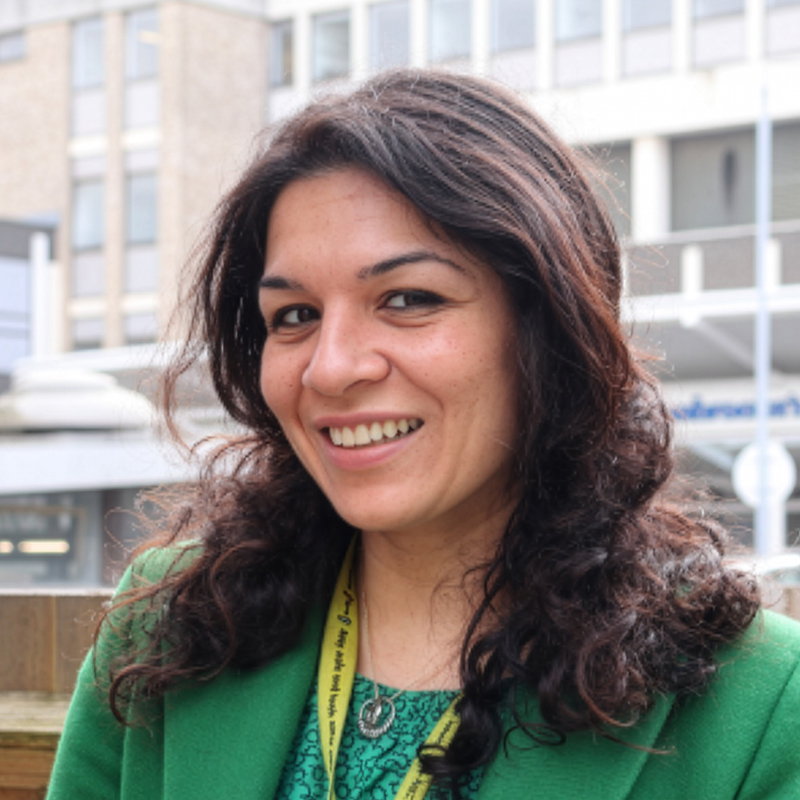
Dr Ayesha Noorani
CRUK Clinician Scientist and Honorary Consultant Upper Gastrointestinal Surgeon, Wellcome Sanger Institute and Addenbrooke's Hospital, Cambridge University Hospital NHS Trust
Professor Sir Mike Stratton
Senior Group Leader