


Exploring somatic mutations in human tissue (IRAS 248671)
Cancer is driven by the accumulation of somatic mutations in cells over time. By studying these mutations in healthy and cancerous tissues, we hope to better understand why cancer develops, why rates vary between populations, and why some cancers are becoming more common in younger people.
We will use DNA sequencing to identify mutational signatures in gastrointestinal and urinary tract tissues from children and adults across diverse populations worldwide. By comparing mutation patterns between tissues, age groups, and populations, we aim to understand the factors that influence mutation burden and cancer risk. The findings will provide new insights into the biological processes underlying cancer and may help inform future prevention strategies. The study will use anonymised existing samples collected under appropriate ethical approvals, with no new samples or personal information obtained by the research team.
Rationale
Cancer develops through the accumulation of somatic mutations, but the processes that drive these changes and explain differences between tissues, ages, and populations remain poorly understood. International variation in cancer incidence suggests that many cases are linked to environmental or lifestyle exposures and may be preventable.
By sequencing normal and cancerous tissues from the gastrointestinal and urinary systems, this study will characterise mutation burden and patterns, identify cancer-causing changes, and compare mutational processes across populations and age groups. The findings will fill key gaps in understanding why some cancers are rising in younger people and why rates vary globally, providing evidence to inform future prevention strategies.
Aims
The study aims to:
- understand how somatic mutations arise and accumulate in normal and cancerous tissues of the gastrointestinal and urinary systems
- understand how these changes influence cancer development and differences in cancer risk between individuals and populations.
Primary Outcome
The primary outcomes are to generate a register of somatic mutations in normal and diseased tissues of the gastrointestinal and urinary systems, and to compare these mutations across geographic regions, age groups (including children and adults), and between healthy individuals and those with disease states such as cancer.
Key Secondary outcome(s)
None
Study Type
Observational
Participant and Sample Information
Populations involved:
Patients with normal or cancerous tissues of the gastrointestinal and urinary systems, across different geographic regions, age groups, and disease states.
Countries of recruitment:
International
Approximate participant or sample numbers (if applicable):
1800
Key inclusion criteria:
This study will include existing human samples that have been collected with appropriate consent and ethical approval. Eligible samples include tissue biopsies from the gastrointestinal tract and urinary tract, as well as blood, urine, stool, and DNA extracted from these materials. Samples may come from both cancerous and non-cancerous tissue, and from adults and children across a range of ages and populations. Only samples provided in anonymised or pseudonymised form will be included.
Key exclusion criteria:
Anything outside of the above and samples where there is no consent and/or ethical approval for use in research.
Recruitment status:
Non-recruiting: Pre-collected samples only.
Governance and Ethical Approval
Governance and oversight:
Study Sponsor: Wellcome Sanger Institute
All work conducted at the Wellcome Sanger Institute is reviewed and overseen by institutional Research Governance processes, ensuring compliance with ethical, legal, and regulatory requirements.
Ethical approval:
This study has been reviewed by the West of Scotland NHS Research Ethics Committee 4. The study received REC approval on 02 October 2025.
IRAS 363050
REC reference: 25/WS/0154
Data and Sample Use
Data sharing:
Anonymised DNA sequence data are stored in the European Genome-Phenome Archive (EGA) and made available to bonafide researchers via managed access, subject to data access agreements. Anonymised samples and cultured cells may also be shared with other legitimate research organisations under appropriate legal agreements.
IPD sharing statement
Deidentified individual participant-level data (IPD) will not be shared as part of this study.
Completion date
Ongoing
Further Information
For enquiries about the scientific aims of this study or potential collaboration, please contact the relevant scientific programme at mrs@sanger.ac.uk.
For enquiries relating to research governance, ethics, or regulatory oversight, please contact the Research Governance team at researchgovernance@sanger.ac.uk.
Sanger people

Professor Sir Mike Stratton
Senior Group Leader
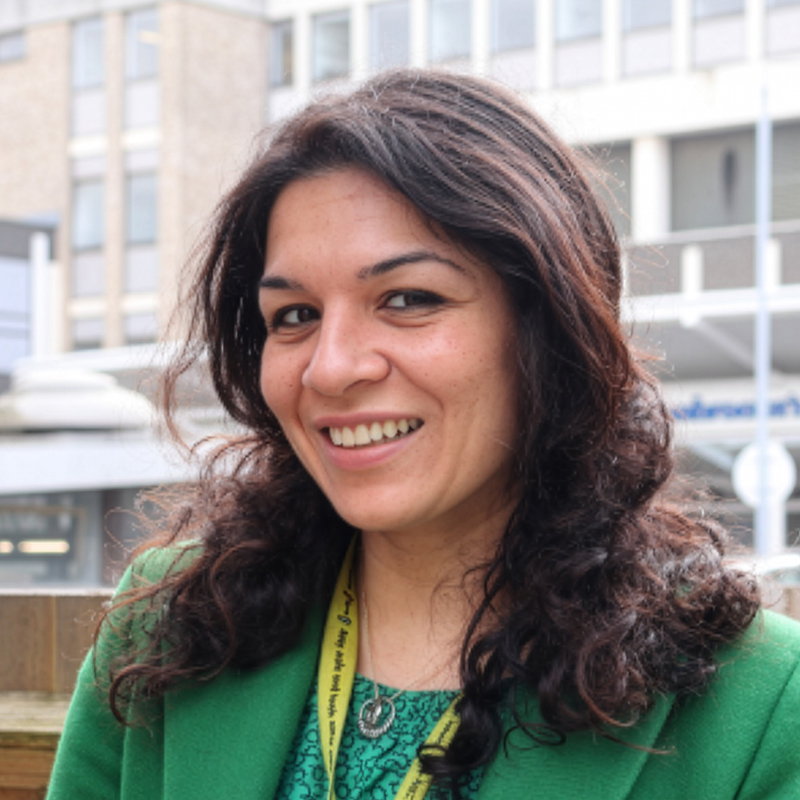
Dr Ayesha Noorani
CRUK Clinician Scientist and Honorary Consultant Upper Gastrointestinal Surgeon, Wellcome Sanger Institute and Addenbrooke's Hospital, Cambridge University Hospital NHS Trust

Phil H Jones
Senior Group Leader
Previous Sanger people

Dr Philip Robinson
Wellcome Clinical PhD Fellow
External partners and funders
External
The Kadoorie Charitable Foundation - Philanthropic Charitable Trust