

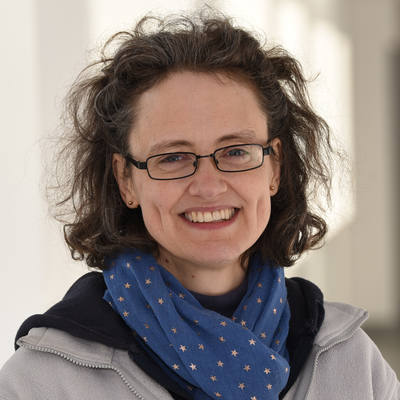
Louise van der Weyden, BSc (Hons), PhD
Senior Staff Scientist
Comparative oncogenomics and 'One Medicine'
Comparative oncology is the comparison of spontaneously developed cancer in animals, typically pets (dogs and cats), to that seen in human cancer. Comparative oncogenomics specifically focuses on the comparison at a genetic/genomic level.
Many genetic alterations in animal and human cancers are ‘passenger events’ and not functionally important for cancer growth. However, by finding the same genetic alterations (mutations, copy number alterations, etc) in the same cancers across two species, we are using each species as a kind of ‘biofilter’ to select the alterations that have the greatest chance of being functionally relevant and not just ‘noise’. Identifying alterations that are common in both species gives us greater confidence they are biologically important for the cancer and should be targeted using anti-cancer therapies. We can also identify important differences between the species. This can help to determine if animals are good models of human cancer, and just as importantly, if humans are good models of animal cancer.
This is part of the ‘One Health, One Medicine’ approach, where veterinary and human medical research advance together for the benefit of both species; what we learn in one species, could be used to help the other.
My timeline
'One Medicine' Taskforce, Humanimal Trust
Section Editor-in-Chief, Veterinary Sciences
Editorial Board, Veterinary Sciences
Associate Editor, Journal of Pathology
University of Technology (UTS) Alumni Award for Excellence 2017 - Faculty of Science
William Guy Forbeck Research Foundation (WGFRF) Scholar
Senior Staff Scientist (Adams Lab, WTSI)
Kay Kendall Leukaemia Foundation Intermediate Fellowship
Post-doctoral fellow (Adams Lab, WTSI)
NHMRC (Australia) CJ Martin & RG Menzies Fellowship
Post-doctoral fellow (Bradley Lab, WTSI)
PhD, University of Sydney (Australia)
BSc (Hons), University of Technology, Sydney (Australia) [Winner of the University Medal for the Faculty of Science, 1997]
Quick links
My publications
