Two major international projects will unlock secrets of human genome regulation and skin development
The ERC Synergy Grant is among Europe’s most competitive and prestigious research funding grants, supporting small groups of outstanding researchers whose complementary expertise enables them to tackle the most challenging scientific questions.
FIBERMAP is co-led by Professor Jussi Taipale at the Wellcome Sanger Institute, along with Professors Sakari Vanharanta and Lauri Aaltonen at the University of Helsinki, and Professor Carl de Boer at the University of British Columbia. The team will develop and apply cutting-edge DNA technologies to reveal how the human genome is regulated in normal tissues and tumours.
Each human cell contains two complete genomes, one inherited from each parent. Although these chromosome copies are highly similar, they are not identical, and important differences between them can influence gene activity and disease risk. Most current methods struggle to determine how regulatory processes operate separately on the two parental chromosome sets.
FIBERMAP will combine long-read DNA sequencing, functional analysis of individual DNA molecules from tissues, and advanced machine learning to reconstruct activity of complete individual genomes, while preserving parental chromosome copy details. The research will focus on three major tumour types: colorectal cancer, kidney cancer, and uterine leiomyoma (fibroids). By building detailed chromatin fibre maps from patient tissue samples, the team aims to uncover hidden disease mechanisms and reveal novel therapeutic targets.
“This ERC Synergy grant will allow us to create vast datasets containing information on the regulatory regions of the genome, and how variation here impacts disease risk. We will then harness artificial intelligence and machine learning to translate these datasets created into predictive models of genome function. This will link DNA sequence directly to chromatin state and gene regulation, allowing us to understand the fundamental rules that govern how the human genome works.”
Professor Jussi Taipale, co-lead of the FIBERMAP project at the Wellcome Sanger Institute
The DevSkin project is co-led by Professor Muzlifah Haniffa at the Wellcome Sanger Institute, Professors Alain Chédotal at Université de Lyon, Olivier Pourquié at Harvard Medical School and Maria Colomé-Tatché at Helmholtz Munich.
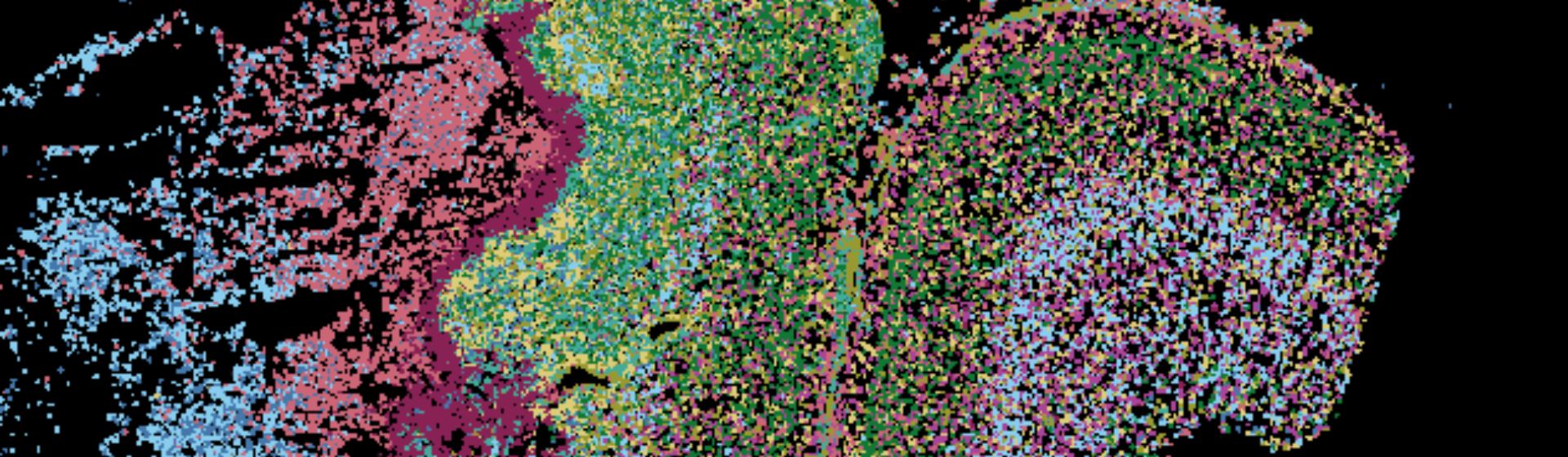
DevSkin aims to identify the molecular rules that govern skin regional identity enabling it to perform its specialised function in the distinct parts of the human body. By integrating single-cell genomics, spatial multiomics, 3D whole organ imaging techniques and AI-driven data analytics, the team will generate the first comprehensive reference atlas of human skin development and investigate the biological signals that make different types of skin. Using this atlas as a blueprint, the researchers will create region-specific skin organoids. This work will enable patient-matched grafts that retain anatomical properties, site-specific models for skin conditions, and scalable drug testing platforms for dermatological and regenerative medicine.
“Decoding how human skin cells organise themselves across space and time into different structures to form the full, complex tissue requires the combination of cutting-edge technologies. The ERC grant will allow us to establish a new paradigm for engineering human skin, converting developmental blueprints into precise design rules.”
Professor Muzz Haniffa, co-lead of the DevSkin project at the Wellcome Sanger Institute