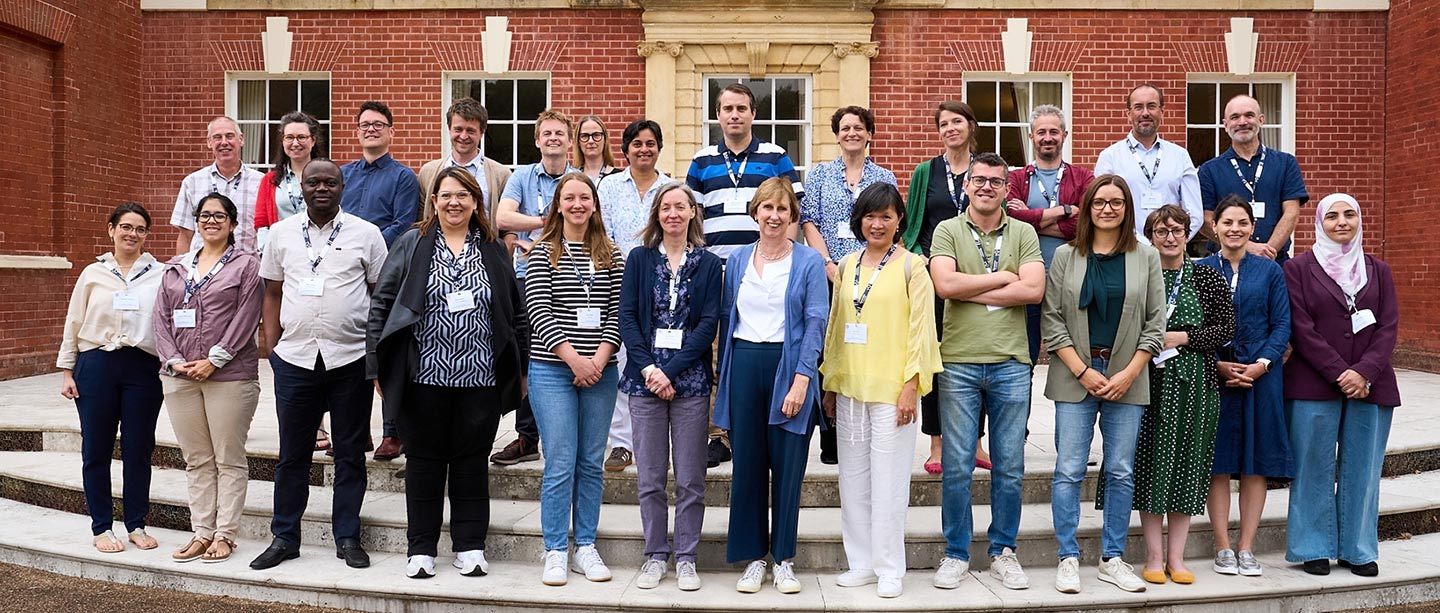
Genomics Futures workshop: Understanding, predicting and altering disease
Chaired by Carl Anderson
Overview
Aim
This workshop explored how new technologies and scientific advances could improve the way we understand, predict, prevent, and treat disease over the next 25 years. Experts discussed how genomics, artificial intelligence (AI), automation, and better use of data could support more personalised and preventative healthcare, while also considering the ethical and social risks these changes may bring.
Importance
Participants highlighted that healthcare systems today are often focused on treating illness after it appears, rather than preventing it earlier. Better understanding of disease could allow doctors to identify risks sooner, improve diagnosis, and develop treatments that are tailored to each individual.
The discussions also stressed that future progress must benefit everyone, not only wealthy countries or privileged groups. Ensuring fairness, public trust, and global access to new technologies was seen as essential.
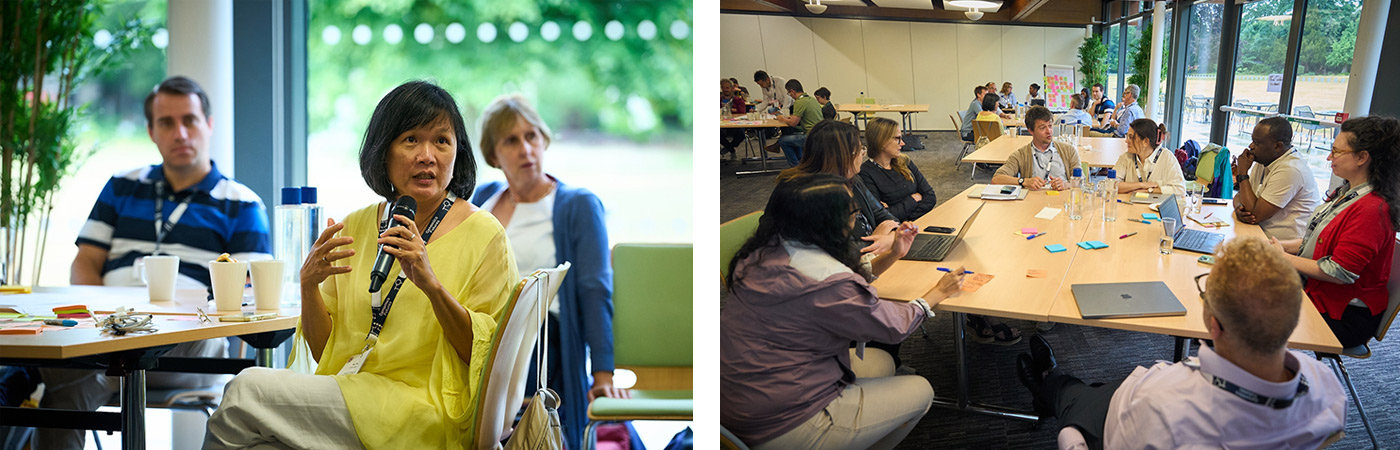
Listen to our Podcast discussing this Workshop
Listen directly on this page:
Listen to “Health” on Spreaker.
The full Genomics Futures podcast series is available to listen to on Apple Podcasts, Spotify and Spreaker.
Where are we now and where are we going?
At present, medicine already uses genetics and data analysis to help understand disease, but knowledge remains incomplete. Researchers can identify many genes linked to illness, yet they still struggle to fully explain how diseases develop and how treatments work.
Over the next decade, participants expect major advances in AI, robotics, and biological research. These tools may help scientists analyse huge amounts of information, improve drug development, and create more personalised treatments. Healthcare may increasingly move from reacting to illness toward preventing disease before symptoms appear.
Future systems could combine genetic, biological, environmental, and lifestyle data to help identify people at higher risk and support earlier interventions.
Key Challenges
Several important challenges were identified:
- Scientists still lack a full understanding of many biological processes that cause disease.
- Predictive health information may create anxiety or uncertainty for patients.
- Healthcare systems and funding structures are often designed around treatment rather than prevention.
- Many countries, especially in lower-resourced regions, lack the infrastructure, internet access, laboratories, and funding needed to benefit equally from new technologies.
- There are risks that health data and AI systems could be controlled by governments or corporations in ways that reduce privacy, fairness, or personal freedom.
- Public trust in healthcare and scientific institutions could weaken if technologies are misused or poorly communicated.

Considering the future
10-year visions
Participants imagined a future in which wearable devices continuously monitor health and provide personalised advice based on real-time biological data. AI systems could help doctors diagnose disease earlier, recommend treatments, and support preventative healthcare.
Drug development could become faster and more efficient through advanced computer modelling, automation, and digital twins (virtual models of individuals used to predict how treatments might work).
Researchers also discussed the possibility of more globally connected data systems, including representative genomic databases from currently underrepresented regions such as Africa and Latin America.
Looking beyond 2035
Longer-term futures included both hopeful and concerning possibilities.
In optimistic scenarios, healthcare becomes highly personalised, preventative, and widely accessible. People may enjoy longer, healthier lives supported by continuous monitoring and treatments tailored to their biology and lifestyle. Data-sharing systems could help scientists respond quickly to emerging diseases and improve global health collaboration.
More concerning futures included misuse of genetic and health data, growing inequality between rich and poor populations, overreliance on automated systems, and loss of personal privacy or autonomy. Participants also warned that AI systems trained mainly on data from wealthy countries could worsen global inequalities and exclude many populations from the benefits of scientific progress.
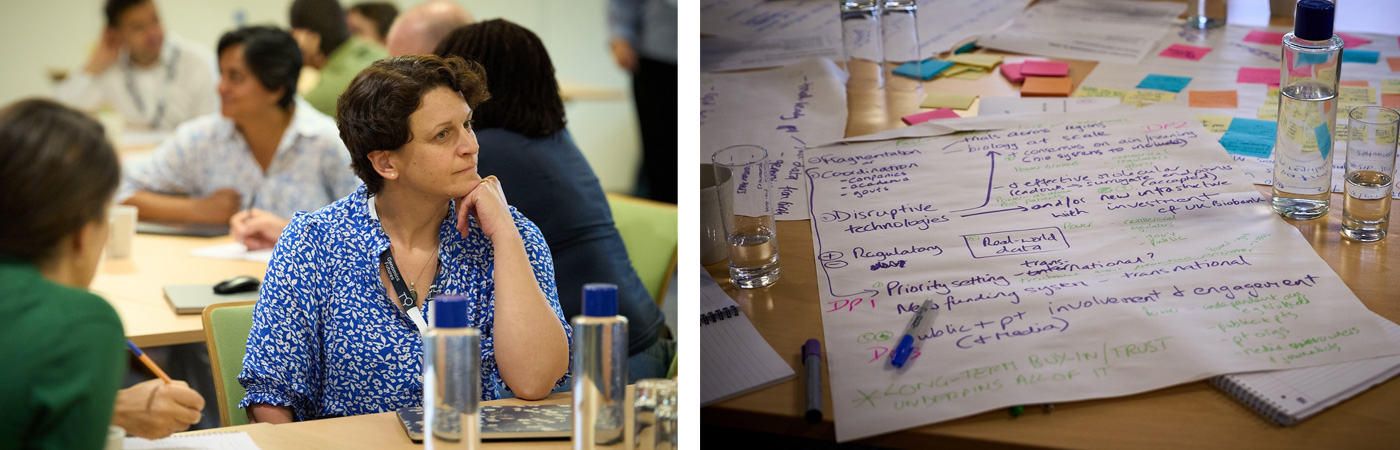
Key discussion themes
Key themes discussed throughout the workshop included:
- Moving from reactive healthcare to prevention and early intervention
- Using AI and automation to improve diagnosis, research, and drug discovery
- Integrating many types of health and environmental data
- Ensuring healthcare remains patient-centred
- Improving fairness, representation, and global inclusion in genomics research
- Strengthening local scientific capacity in lower-resourced regions
- Protecting privacy, data sovereignty, and ethical use of technology
- Building public trust through better communication and transparency
Open Questions
The workshop identified several unresolved challenges
- How much scientific understanding is needed before acting on predictive health information?
- How should clinicians communicate uncertain or sensitive genetic risks to patients?
- Who should own and control health and genomic data?
- How can the benefits of advanced healthcare technologies be shared fairly across the world?
- How can societies balance innovation with privacy, ethics, and personal freedom?
- Will future healthcare systems empower communities, or mainly benefit large corporations and powerful institutions?
Conclusion
The workshop concluded that advances in genomics, AI, and data science could dramatically improve healthcare over the coming decades, particularly through earlier diagnosis, prevention, and personalised treatment. However, participants stressed that scientific progress alone is not enough.
To achieve positive outcomes, future healthcare systems must remain ethical, inclusive, patient-focused, and globally accessible. Addressing inequalities in infrastructure, data access, representation, and public trust will be just as important as developing the technologies themselves.