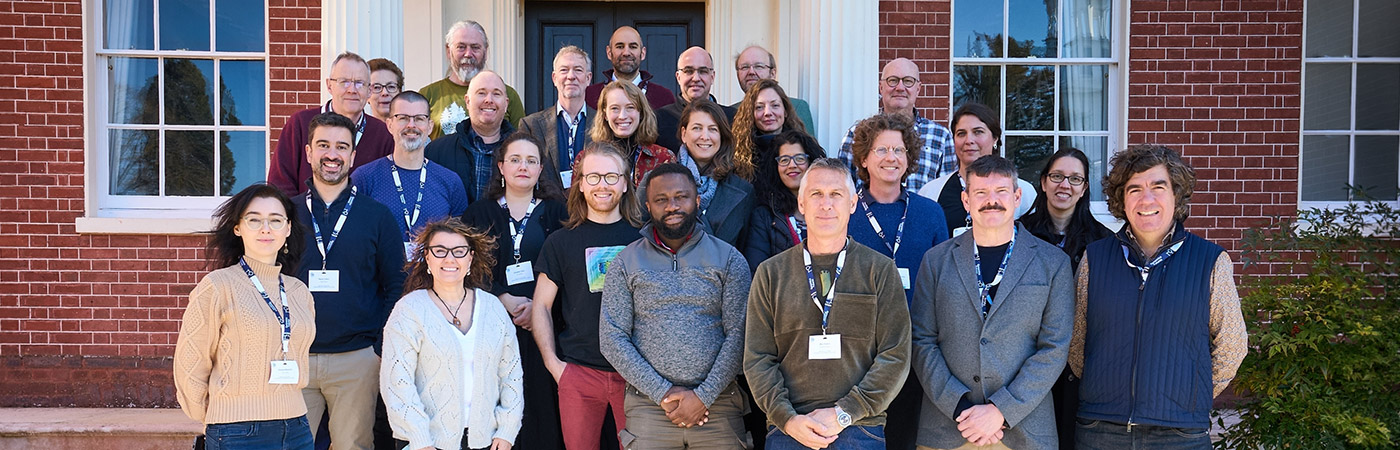
Genomics Futures workshop: Understanding and sustaining life on earth
Chaired by Mara Lawniczak and Mark Blaxter
Overview
Aim
The workshop aimed to create a long-term plan for protecting life on Earth. It explored how developments in DNA sequencing, artificial intelligence (AI), and large datasets could help the global research community to better understand nature, monitor ecosystems, and restore damaged environments in a responsible and fair way.
Importance
Healthy ecosystems are essential for human survival. They provide food, clean air, water, and stability for humans and native species. However, these ecosystems are under serious threat. The workshop stressed that immediate urgent action is required to prevent further environmental damage and ensure that the planet remains a thriving, healthy environment for future generations.
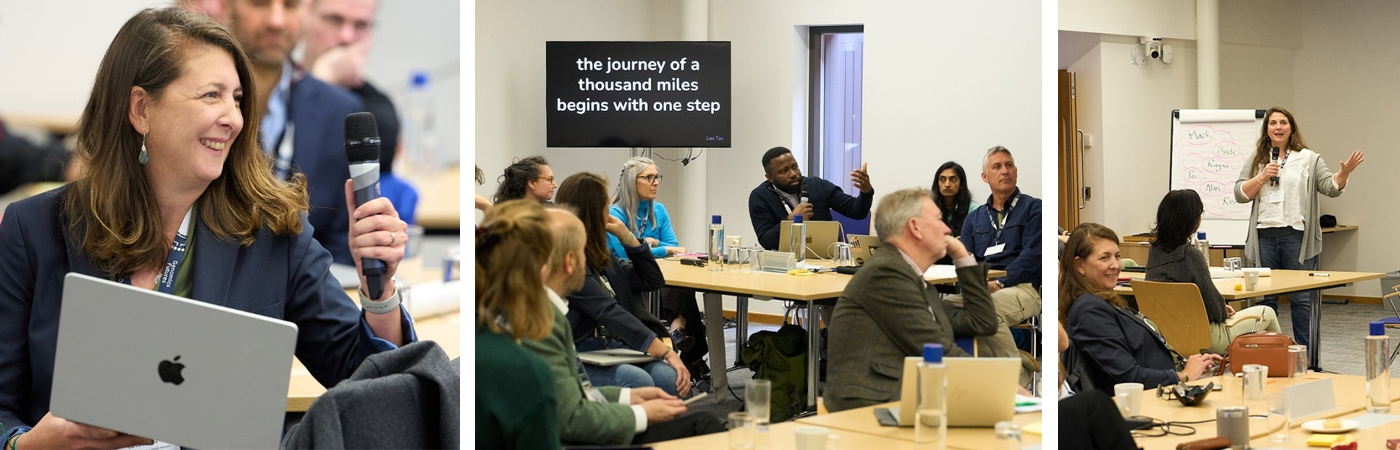
Listen to our Podcast discussing this Workshop
Listen directly on this page:
Listen to “Genomics Futures” on Spreaker.
The full Genomics Futures podcast series is available to listen to on Apple Podcasts, Spotify and Spreaker.
Where are we now and where are we going?
Currently researchers are able to use powerful technologies to explore and understand biodiversity, but this knowledge is still incomplete. Much of Earth’s life hasn’t been studied in detail, and data is often scattered or hard to use. Moving forward, the goal is to build a more connected, global research network and common data gathering approaches that will monitor ecosystems in real time and guide better decisions.
Key Challenges
- Climate change, pollution, and invasive species are damaging ecosystems quickly.
- Many species are still unknown, and existing data is incomplete or difficult to combine.
- Collecting, storing, and analysing huge amounts of biological data is difficult.
- Questions about who owns data, who benefits, and how to include Indigenous and local communities remain unresolved.
- Countries and organisations are not yet fully aligned in sharing data and working together.
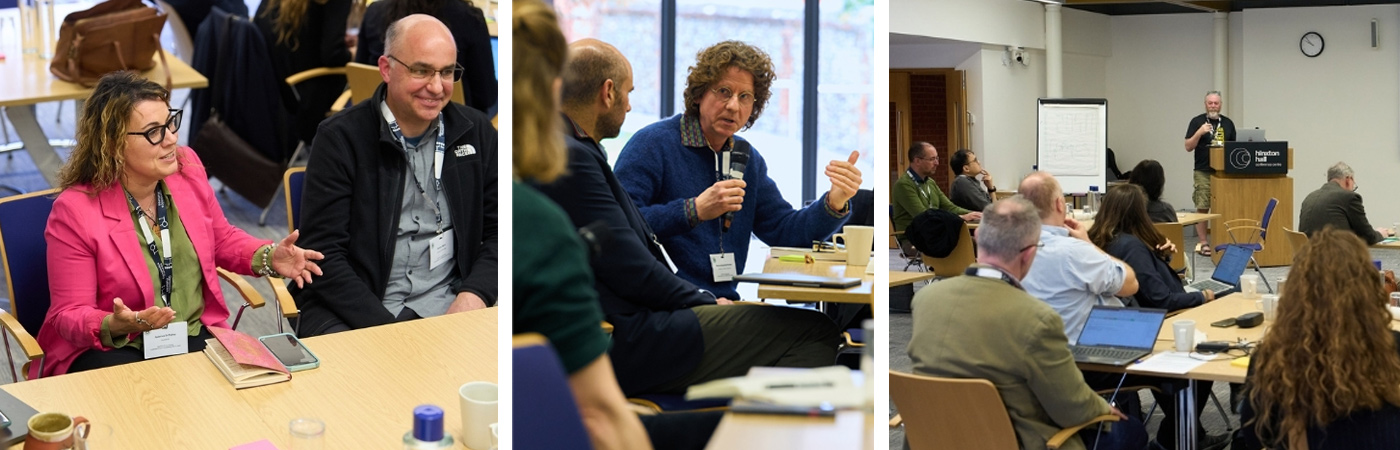
Considering the future
10-year visions
In the next decade, researchers imagine:
- Expanding DNA sequencing of species and ecosystems across the globe.
- Improving data systems so that information can be shared and analysed easily by the worldwide research community
- Building stronger international networks and partnerships to ensure open-access sharing of data and tools.
- Developing ethical guidelines to ensure equitable access and benefit sharing in advance of new technologies and approaches being widely adopted.
- Deploying AI and real-time monitoring to track environmental changes more effectively.
Looking Beyond 2035
Looking further ahead to 2050, the vision is:
- Monitoring ecosystems around the world in real-time through continuous, automated tracking of biodiversity worldwide.
- Employing sustainable approaches and practices in food production that reduces environmental harm and improves food access by developing and nurturing a more diverse, climate-resilient agriculture.
- Developing and sustaining stronger, more resilient ecosystems that use natural solutions and carefully managed technologies that restore and support nature.
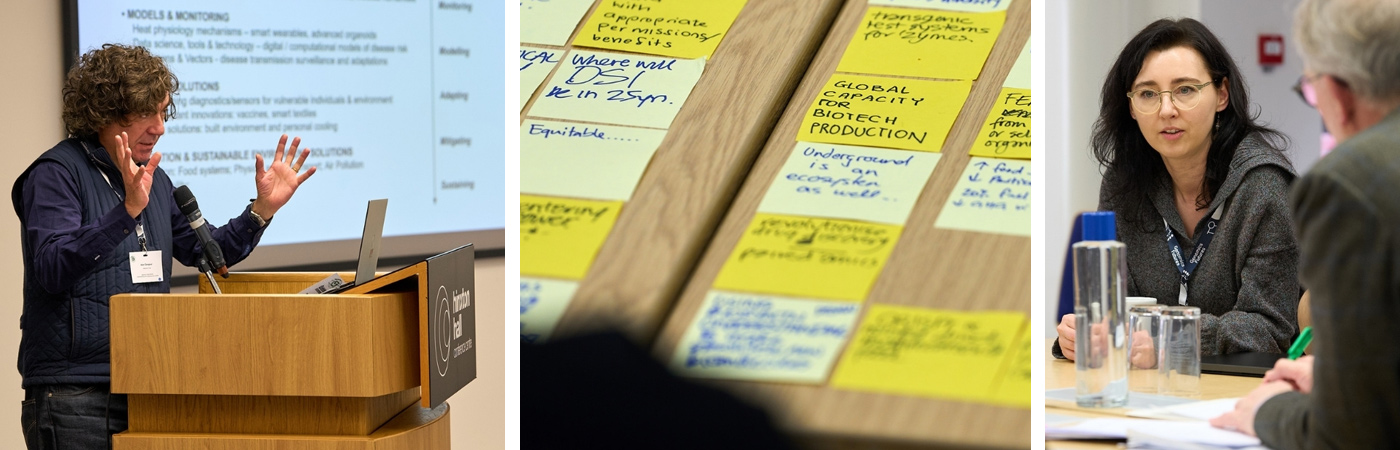
Key discussion themes
- Current limitations in biological data gathering and analysis. The models and insights that AI approaches will be able to provide will only be as good as the data they use.
- Ethical and responsible research collaborations and knowledge sharing. The workshop participants highlighted the need to respect Indigenous knowledge, share benefits fairly, and consider the rights of nature.
- Developing understanding of the links between climate and human health. For future food security and long-term human health, the attendees noted the need to understand how environmental changes affect food systems and facilitate the spread of infections and parasitic diseases.
- Ensuring global research equity. The workshop highlighted the importance of developing approaches, data and tools sharing, and collaborations that enable researchers from all countries to access and benefit from new technologies and discoveries.
Open Questions
The workshop identified several unresolved challenges:
- How much can we rely on computer models versus direct understanding of ecosystems?
- How far should humans go in altering or engineering nature?
- How can we prevent widening global inequalities in access to data and technology?
- What rules should govern the use of genetic and environmental technologies?
- How do we balance acting quickly with taking time to learn and observe?
Conclusion
The workshop concluded that we already have powerful tools to help protect the planet, but success depends on how responsibly and collaboratively we use them. Long-term thinking, better data, global cooperation, and strong ethical frameworks are all essential. When these are brought together there is real potential to halt environmental decline and build a sustainable future for both people and nature.