

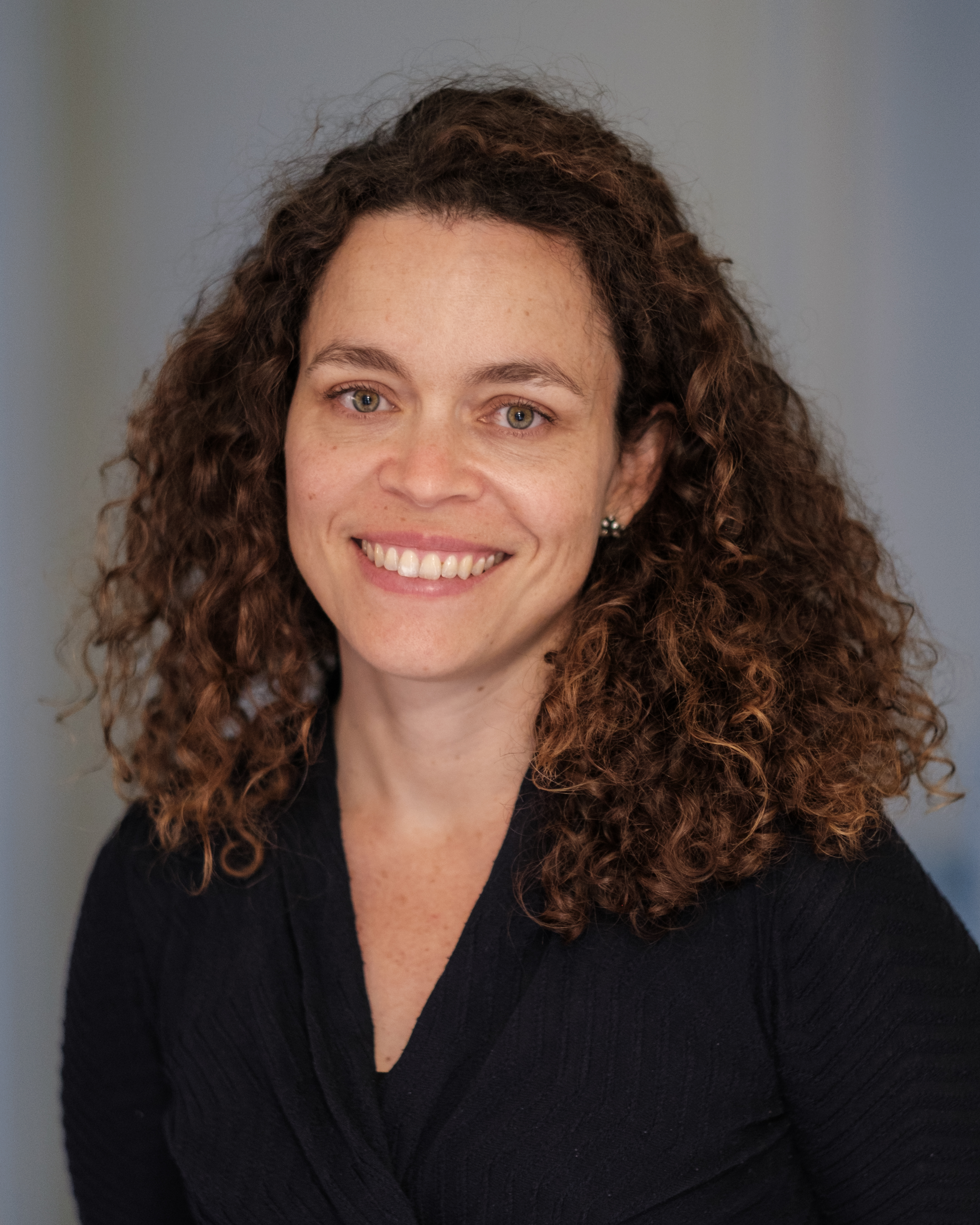
Dr Elizabeth Radford
Clinical Career Development Fellow
In the clinic, we now use genetic sequencing to:
- diagnose genetic conditions
- quantify family members’ risk
- enable preventative screening
- carry out prenatal testing
- guide precise therapies.
Using whole-genome sequencing to screen newborn babies for treatable genetic conditions is being trialled internationally; offering unparalleled opportunities to diagnose and treat inherited diseases. However, while we can identify DNA changes in disease-associated genes, we cannot predict the functional impact of most rare genetic variants to know if the difference will be harmful or not.
As more and more human genomes are read, the number of genetic differences identified whose effect is unknown is rising rapidly. These variants of uncertain significance (VUS) are now a major barrier to diagnosis and treatment.
Interpreting the effect of DNA variants is particularly challenging where additional genetic data is lacking, causing substantial inequity in diagnosis and treatment:
- where familial variant segregation is not possible, such as in single-parent households
- in families lacking normative population controls e.g. individuals of non-European genetic ancestries.
Once we have identified that a genetic change causes ill-health, precision therapies using gene-editing and antisense oligonucleotides are now feasible, but are prohibitively expensive to develop for each genetic variant. Precision treatments that will work for patients with diverse genetic variants are urgently needed.
To address these issues to improve diagnoses and therapies, my team use cutting-edge gene-editing techniques and large-scale genetic screens to systematically identify which genetic variants alter protein function. We are also interested in identifying genetic variants that might correct protein expression and/or function, as these may identify novel treatment avenues.
About me
I am a paediatric neurologist at Addenbrookes Hospital, and my research is motivated by the children and families that I am privileged to meet in clinic. I have long been fascinated by how genetic and environmental factors affect how a baby develops.
My PhD was with Professor Anne Ferguson-Smith. I looked at how the environment (particularly nutrition during pregnancy) affects foetal development, whether this can affect the development of future generations, and whether epigenetic changes and genomic imprinting are mechanistically involved.
Following my PhD, I completed my medical training, and decided to specialise in paediatric neurology. As a resident doctor, I worked with Dr Jeffrey Barrett and Professor Matt Hurles to understand how rare genetic variation causes neurodevelopmental conditions. This included applying gene-editing techniques and large-scale genetic screens to genes associated with neurodevelopmental conditions.
In 2026 I was awarded a UKRI Future Leaders Fellowship at the University of Cambridge and the Sanger Institute to develop this work further.
How I work
I believe that the best science is collaborative and open, so that we can share experience, ideas and results. I believe that teams that make the best science are inclusive, kind, communicative and cultivate diversity of thought, background and experience.
It’s important to me that we work closely with individuals affected by neurogenetic conditions and their families, and for them to be involved in shaping the direction of our research.
Work with me
I am always on the lookout for motivated people to join my group so, if you’re interested, please send me an email and include your CV.
My timeline
UKRI Future Leaders Fellowship, University of Cambridge
Became a Career Development Fellow at the Wellcome Sanger Institute
Consultant Paediatric Neurologist
Awarded the Ronnie MacKeith prize by the British Paediatric Neurology Association
Academic Clinical Lectureship, Barrett Group
Early Career Award: Thrasher Research Fund. Salt Lake City, UT, US
Became an Academic Clinical Fellow (Paediatrics): University of Cambridge
Started Academic Foundation Programme (Paediatrics): University of Cambridge
MB BChiR, University of Cambridge
PhD with Professor Anne Ferguson Smith, University of Cambridge
Graduated with Bachelor of Arts: University of Cambridge