

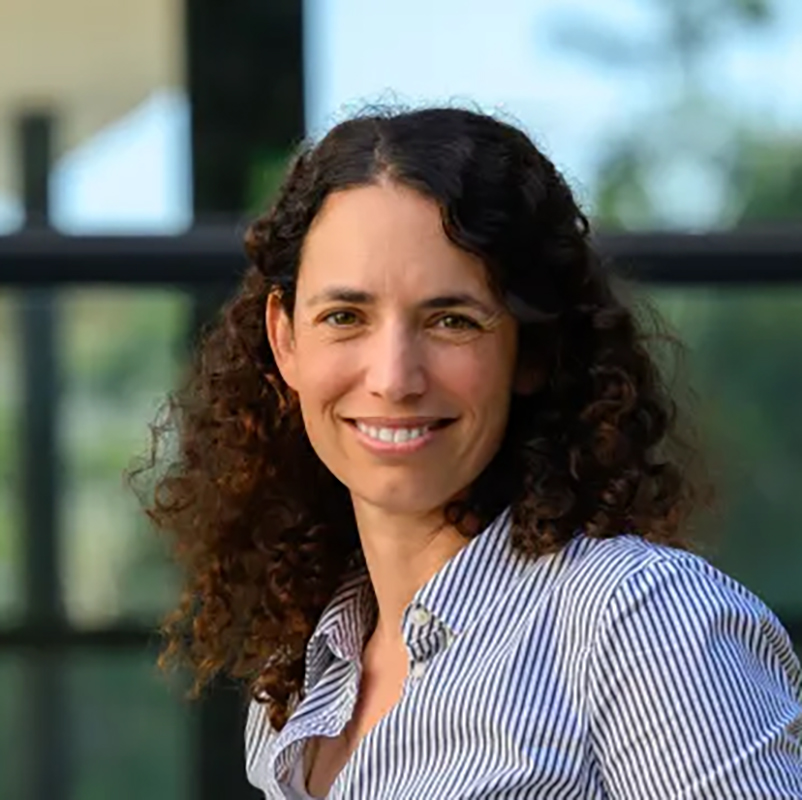
Dr Leeat Keren
Group Leader
Pioneering Spatial Biology
My research bridges engineering, computation, and cancer biology. During my postdoctoral research at Stanford University, I helped pioneer multiplexed ion beam imaging (MIBI-TOF), enabling high-dimensional protein measurements in intact human tissues. This work revealed how the spatial organization of tumor and immune cells is associated with cancer progression and patient outcomes. Since establishing my independent laboratory in 2020, I have continued to advance spatial biology through the development of new experimental and computational technologies, including widely adopted computational methods for cell segmentation, phenotyping, and spatial analysis. We apply these innovations to large human cancer cohorts to investigate tumor–immune interactions, metastatic progression, and therapeutic response.
About me
I am a scientist working at the intersection of molecular biology, engineering, and computational science. I am particularly motivated by research that combines fundamental biological questions with technological innovation. I believe that transformative discoveries increasingly require close collaboration across disciplines. My laboratory brings together experimental biologists, computational scientists, engineers, and cancer researchers to develop new ways of studying human tissues.
My vision
I envision a future in which we can comprehensively map and computationally model the molecular and spatial architecture of individual tumors. By combining next-generation spatial technologies with artificial intelligence, I aim to transform cancer pathology into a quantitative and predictive discipline, enabling more accurate diagnosis, better prediction of therapeutic response, and the development of treatments tailored to each patient’s tumor biology.