

Waste and recycling
At The Sanger Institute, we’re working to reduce the amount of waste we generate and increase the value we recover from the resources we use. By prioritising waste reduction, reuse and responsible recycling, we can lower our environmental impact, support a circular economy and ensure materials are managed in a way that reflects our sustainability ambitions.
Our sustainable waste and recycling goals
To guide our efforts in creating a more resource-efficient and circular organisation, our goals for waste and recycling are to:
- Reduce the overall volume of waste produced across Sanger operations, with a strong focus on waste prevention and smarter resource use, using data to target high-impact areas.
- Increase reuse and circularity, ensuring materials, equipment and resources stay in use for as long as possible rather than entering the waste stream.
- Expand recycling opportunities, particularly for lab and office materials, so a greater proportion of waste is recovered rather than disposed of.
- Strengthen partnerships that support responsible disposal, ensuring surplus items—especially IT and lab equipment—are donated, repurposed or recycled through credible partners.
- Support staff to make sustainable choices, providing clear guidance that makes reducing, reusing and recycling easy and consistent.

At the Sanger Institute, we are taking action to reduce waste and improve recycling by increasing resource efficiency, exploring ways to be able to recycle a larger percentage of our lab waste, and supporting a more circular approach. The steps below outline the measures we’re taking, and have already taken, to help reduce our environmental impact and manage materials more responsibly.
 We’ve launched the use of our Waste Action Reuse Portal (Warp-It) to make it easier for teams to share unused furniture, equipment and supplies, helping reduce waste and avoid unnecessary purchases.
 We’re exploring new recycling solutions for lab materials, working with internal teams and external partners to increase the amount of waste we can responsibly recover.
We donate surplus IT equipment to the Turing Trust, giving valuable items a second life in schools and communities that need them while reducing electronic waste.
Supporting Sustainable Development Goals
The United Nations have created a set of 17 global Sustainable Development Goals (SDGs) that were adopted by all UN Member States in 2015 as part of the 2030 Agenda for Sustainable Development.
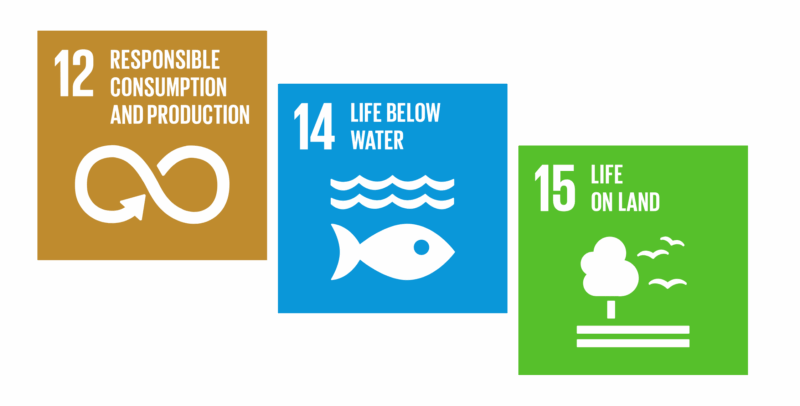
Waste and recycling supports a number of UN Sustainable Development Goals including:
- Responsible consumption and production (to ensure sustainable consumption and production patterns).
- Life below water (to conserve and sustainably use the oceans, seas and marine resources for sustainable development).
- Life on land (to protect, restore and promote sustainable use of terrestrial ecosystems, sustainably manage forests, combat desertification, and halt and reverse land degradation and halt biodiversity loss.
We are proud to support these goals and we developed our Environmental Strategy to embrace and fulfil these goals.
Sanger Sustainability Strategy
Reducing and promoting responsible energy use is just one part of our wider Sanger Sustainability Strategy. It divides our activities into key areas that reflect our most important environmental impacts.
Aligning sustainability with our values and behaviours is central to creating a culture of responsibility and innovation. By embedding sustainability into everyday decisions, we can drive lasting change.
Waste and recycling is just one of 12 themes you can explore, each contributing to our shared goal of a more sustainable future.
Explore how we are delivering sustainable change - click on the icons below
 |
 |
 |
 |
 |
 |
 |
 |
 |
 |
 |
 |