

Sustainable procurement and supply chain
Ensuring our procurement decisions prioritise the reduction or mitigation of environmental impacts, through adopting circular procurement practices, is key to the success of our strategy. With Purchased Goods and Services being the largest carbon impact within our carbon footprint, working with a responsible supply chain is critical to reducing our associated emissions.
Our procurement and supply chain goals
Our procurement and supply chain goals are to:
- Embed sustainability within all procurement processes, ensuring environmental considerations are evaluated alongside, cost, quality and operational need.
- Promote responsible purchasing decisions that reduce carbon impact, energy use, and waste.
- Advance a circular economy approach, maximising reuse and preventing unnecessary disposal of equipment and materials.
- Strengthen supplier engagement and accountability, encouraging suppliers to improve their own sustainability practicies and align with our goals.

At the Sanger Institute, we are taking action to make our procurement and supply chain more sustainable by promoting the use of sustainable equipment and consumables, improving our reporting, and working closely with suppliers to support better practices. The steps below outline the measures we’re taking, and have already taken, to help embed sustainability throughout our purchasing decisions and supply chain processes.
 We’ve introduced guides—such as our sustainable freezer purchasing guide and sustainable choices guide—to help staff make informed decisions that minimise environmental impact when buying new equipment. We’ve also rolled out our sustainable procurement code of practice.
 Our procurement working group actively reviews options and promotes the adoption of more sustainable consumables, helping reduce waste and carbon impacts across laboratory and office operations.
 We work with suppliers to encourage more sustainable practices, improve transparency, and align purchasing with circular economy principles. Alongside this, our Stores team is taking practical steps to help colleagues make more sustainable purchasing choices — for example, adding stickers to consumables where a more sustainable alternative is available. These prompts help highlight lower-impact options at the point of selection, making it easier for staff to choose products that reduce waste, packaging, or environmental impact while maintaining research quality and performance.
 We provide clear guidance on what to do with unused or surplus equipment and support internal reuse through platforms like Warp-It (Waste Action Reuse Portal), ensuring items are redistributed rather than disposed of.
Supporting Sustainable Development Goals
The United Nations have created a set of 17 global Sustainable Development Goals (SDGs) that were adopted by all UN Member States in 2015 as part of the 2030 Agenda for Sustainable Development.
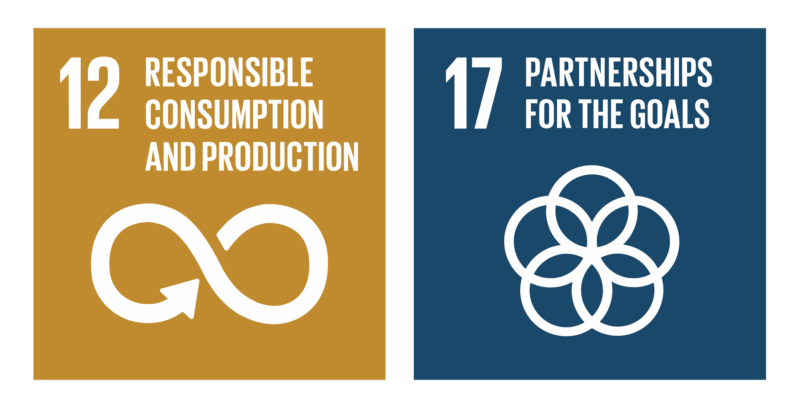
Sustainable procurement supports a two of the UN Sustainable Development Goals including:
- Industry, innovation and infrastructure (to build resilient infrastructure, promote inclusive and sustainable industrialization and foster innovation).
- Partnerships for the goals (to strengthen the means of implementation and revitalise the global partnership for sustainable development).
We are proud to support these goals and we developed our Environmental Strategy to embrace and fulfil these goals.
Sanger Sustainability Strategy
Reducing and promoting responsible energy use is just one part of our wider Sanger Sustainability Strategy. It divides our activities into key areas that reflect our most important environmental impacts.
Aligning sustainability with our values and behaviours is central to creating a culture of responsibility and innovation. By embedding sustainability into everyday decisions, we can drive lasting change.
Sustainable procurement and supply chain is just one of 12 themes you can explore, each contributing to our shared goal of a more sustainable future.
Explore how we are delivering sustainable change - click on the icons below
 |
 |
 |
 |
 |
 |
 |
 |
 |
 |
 |
 |